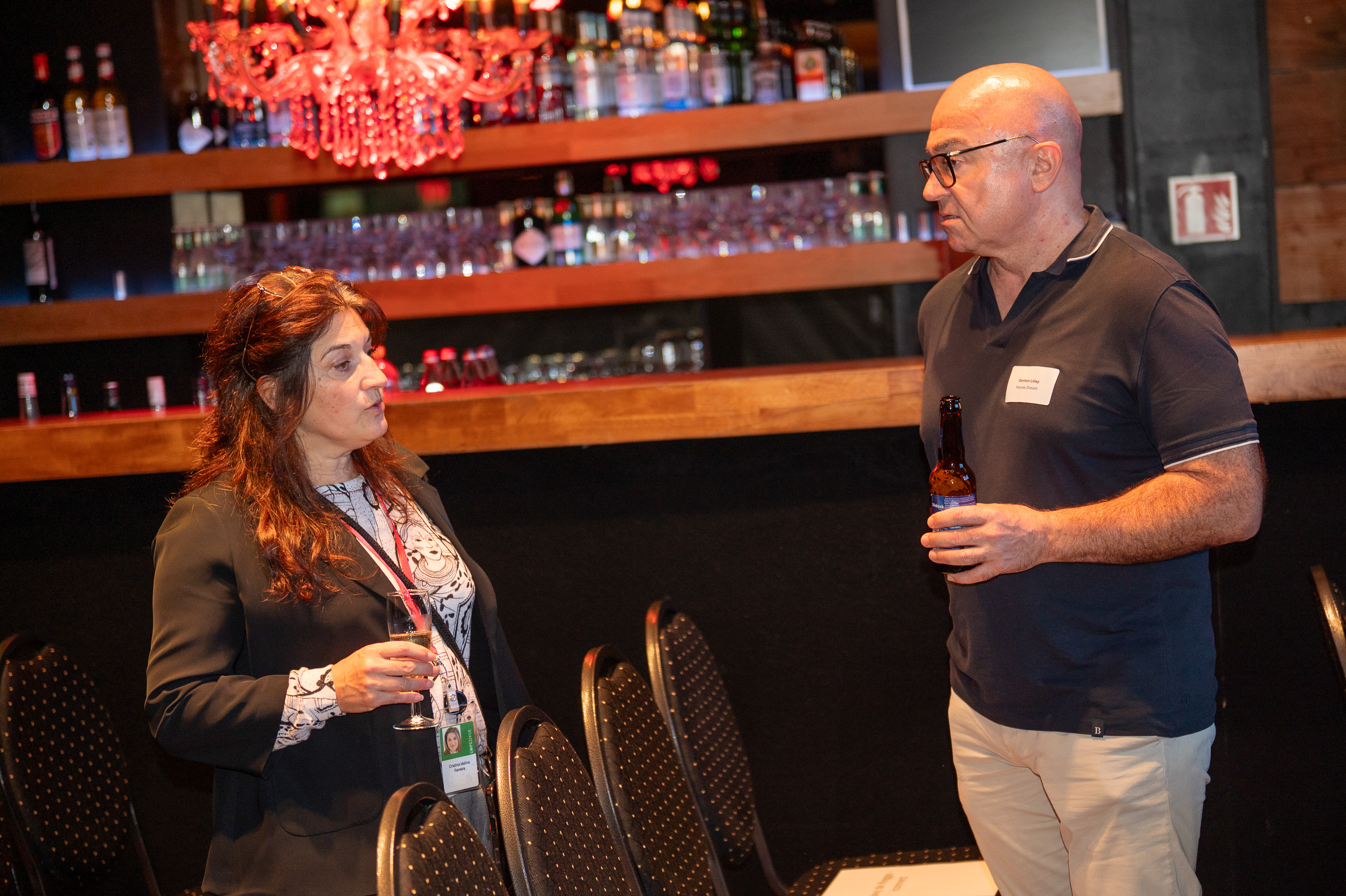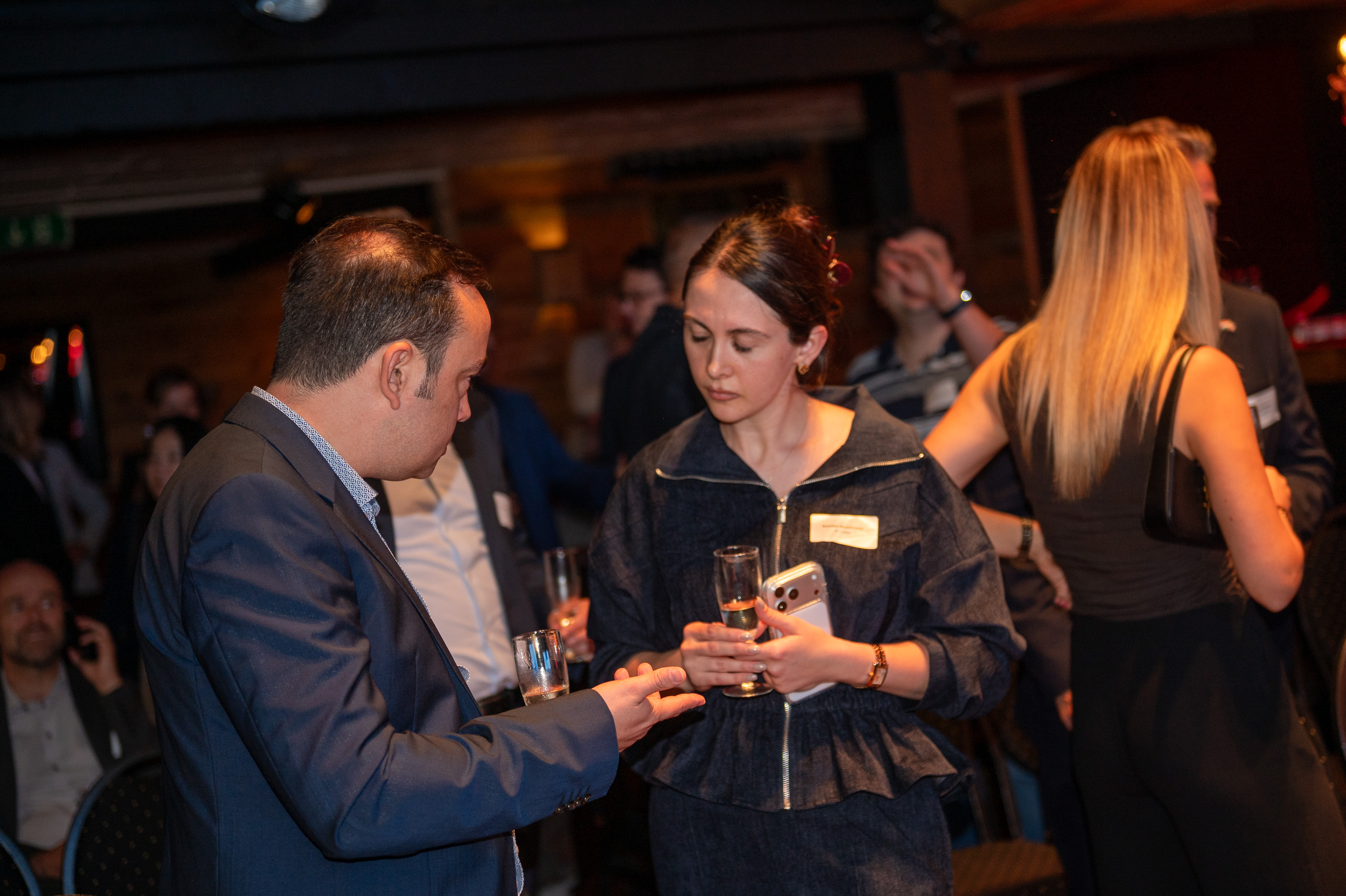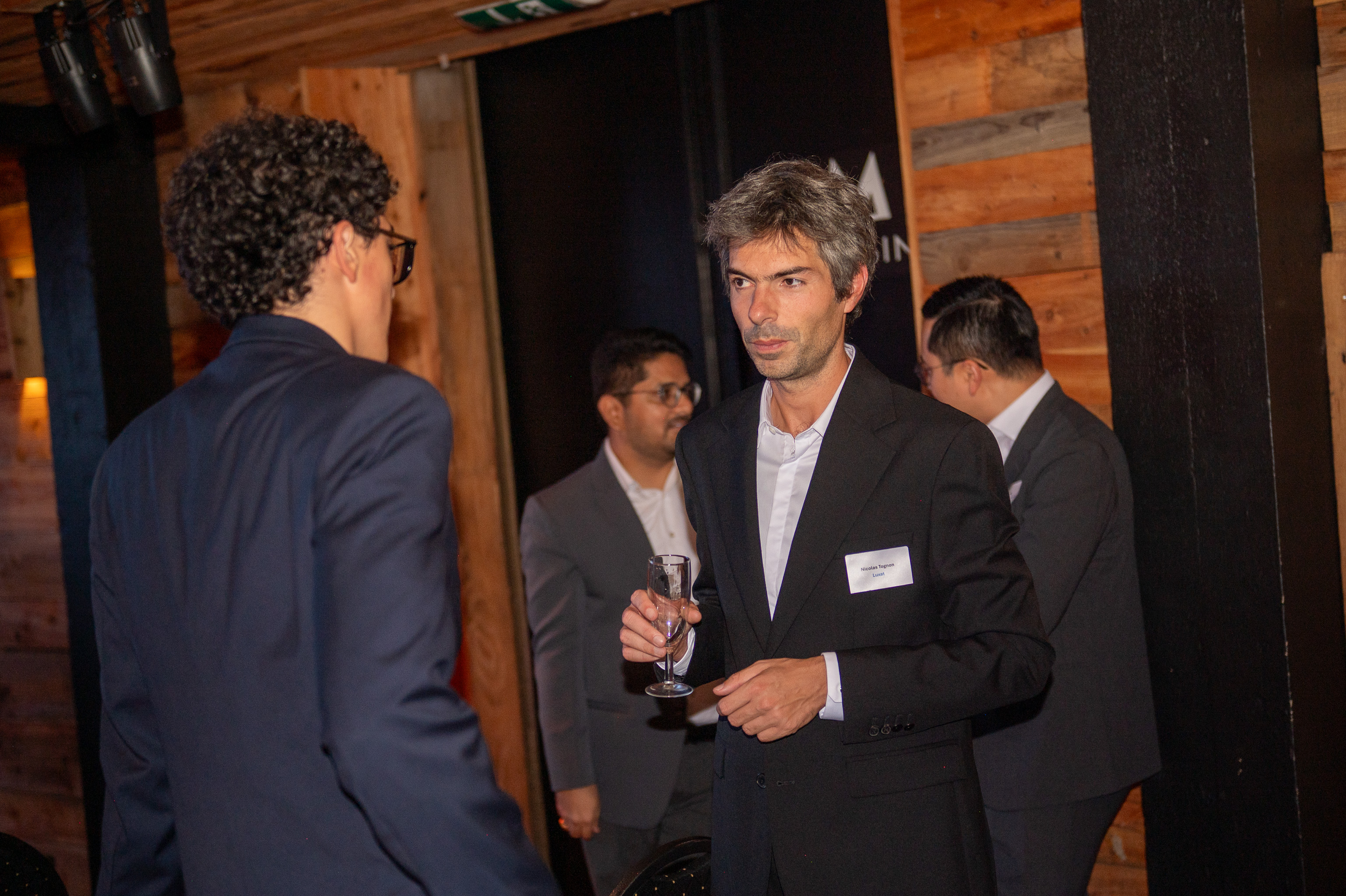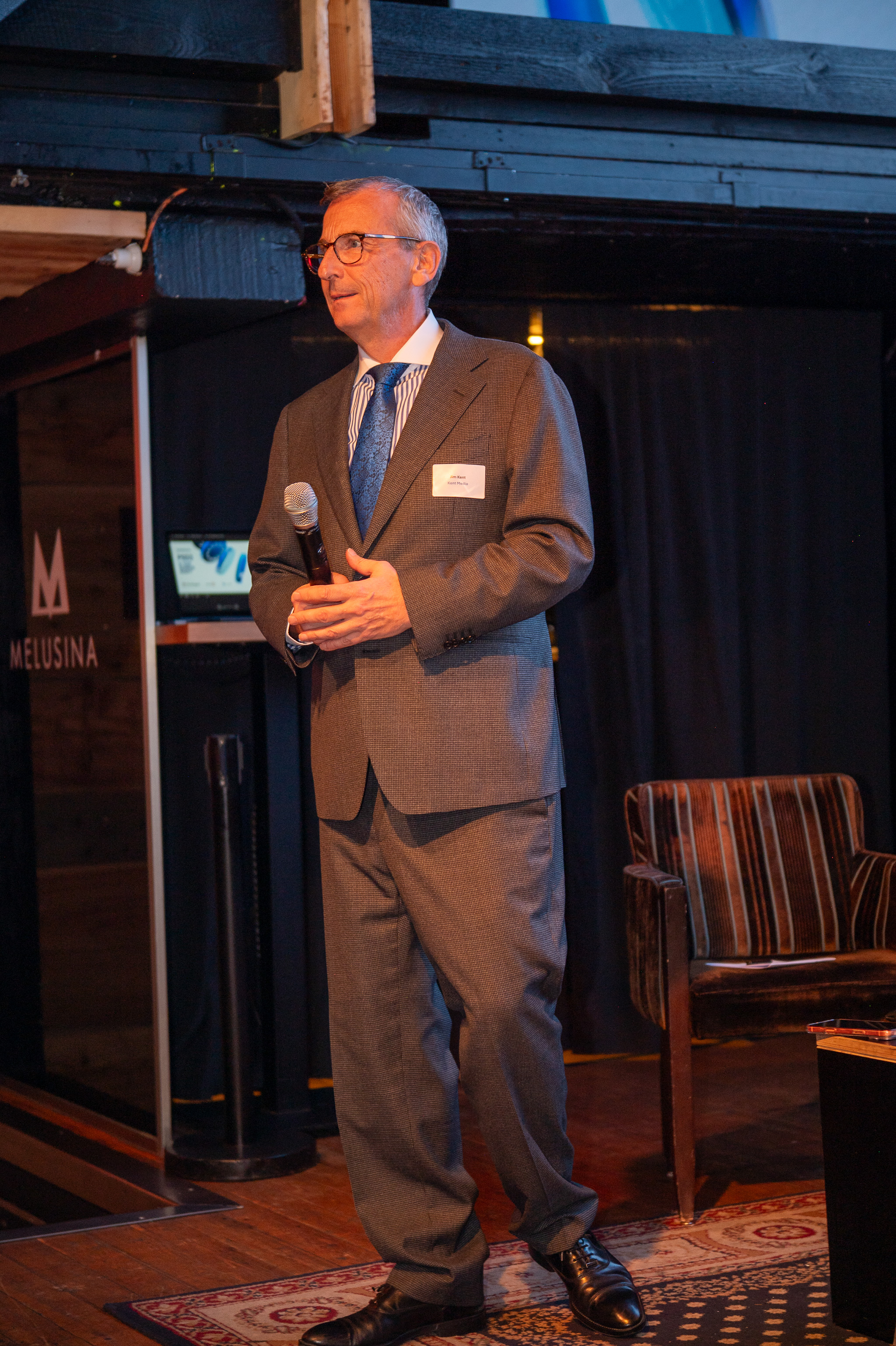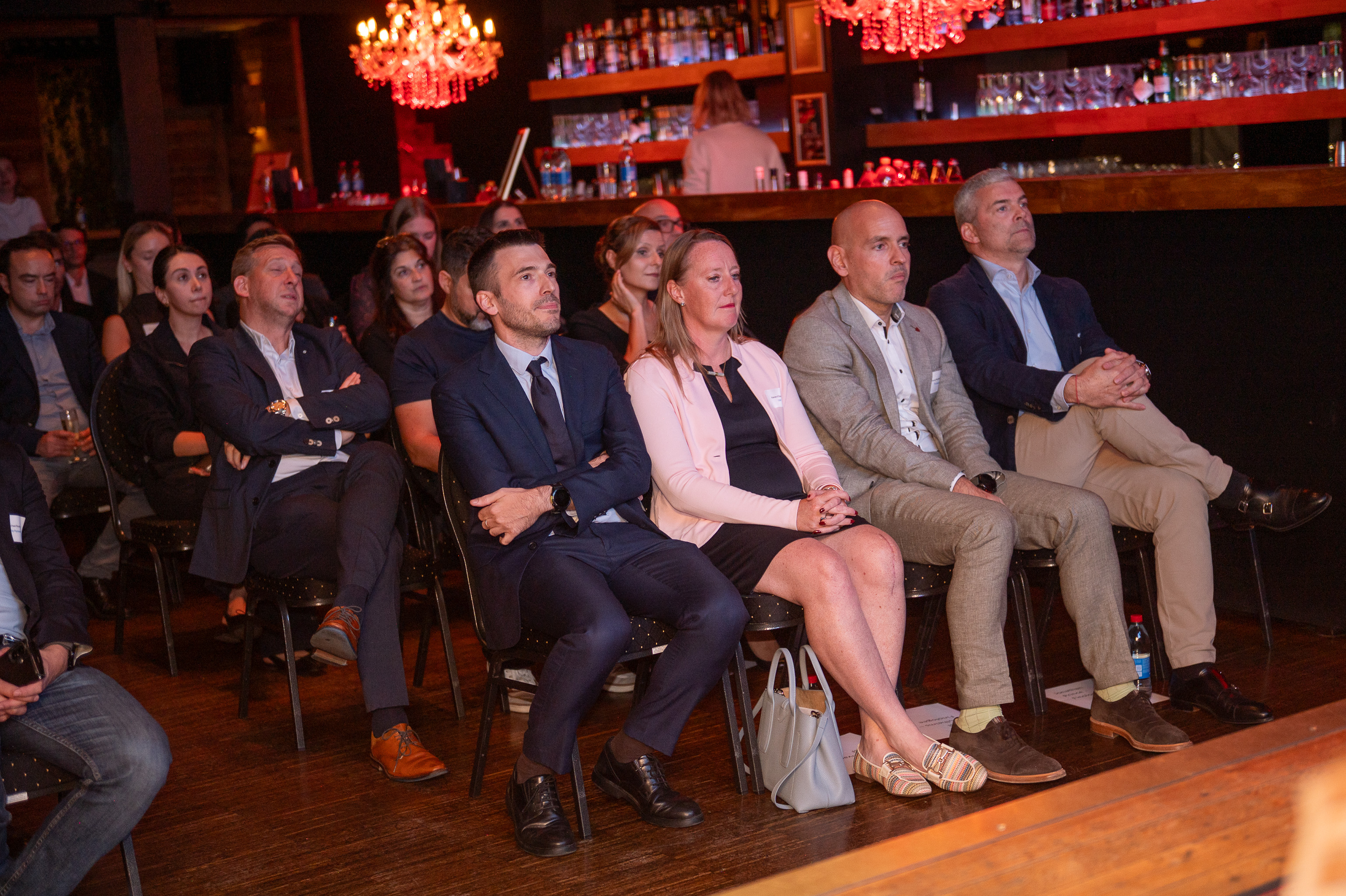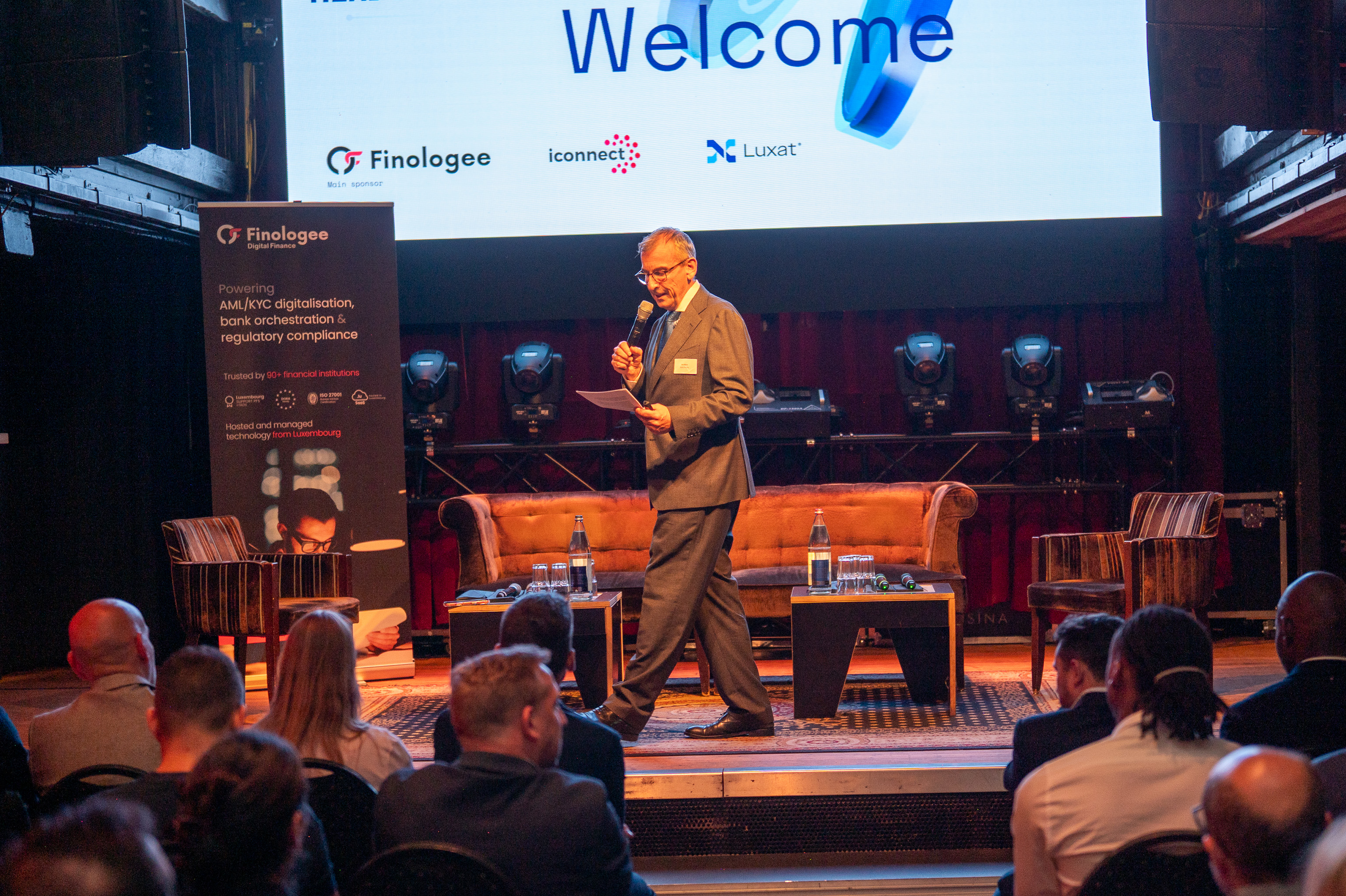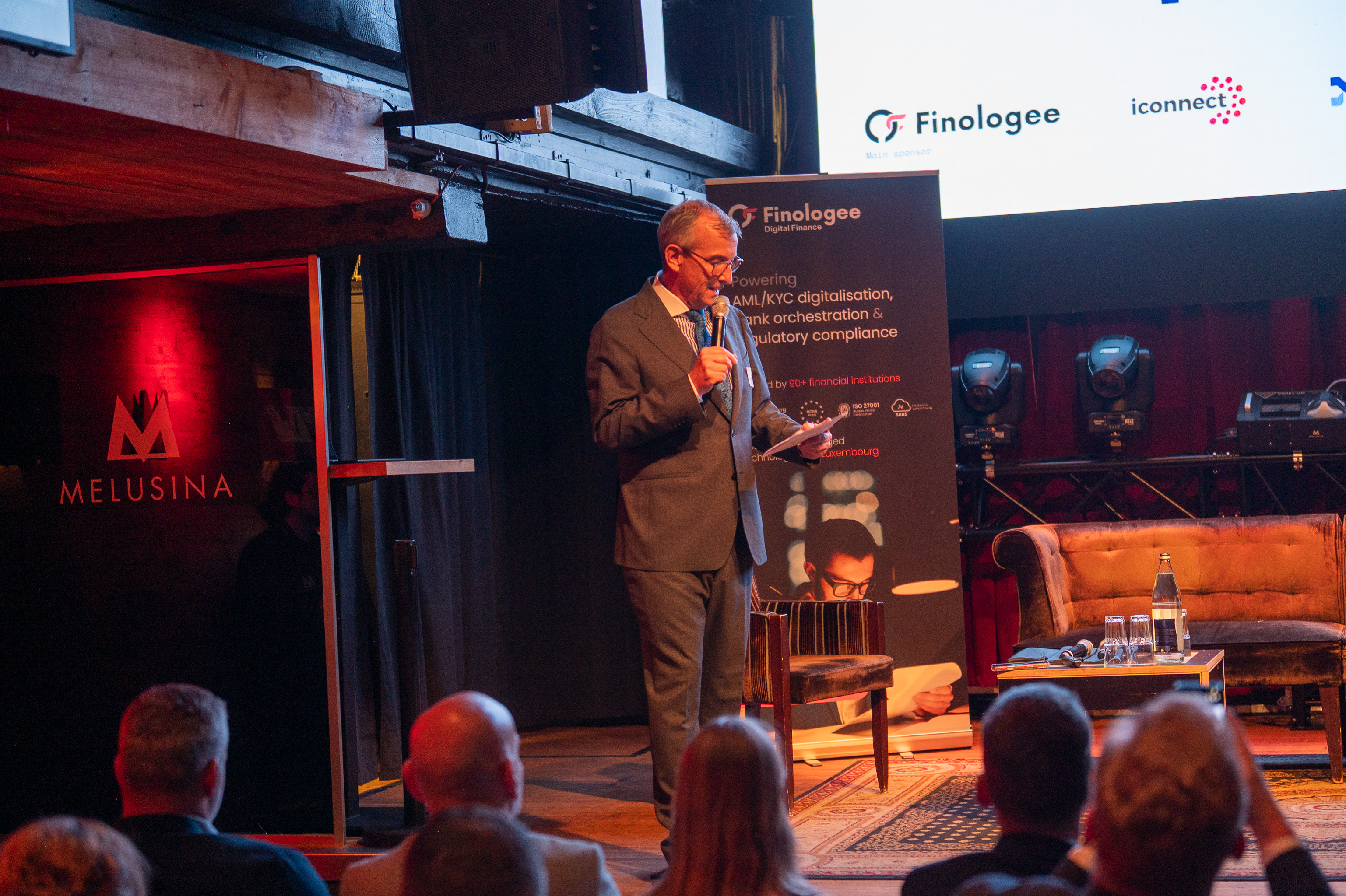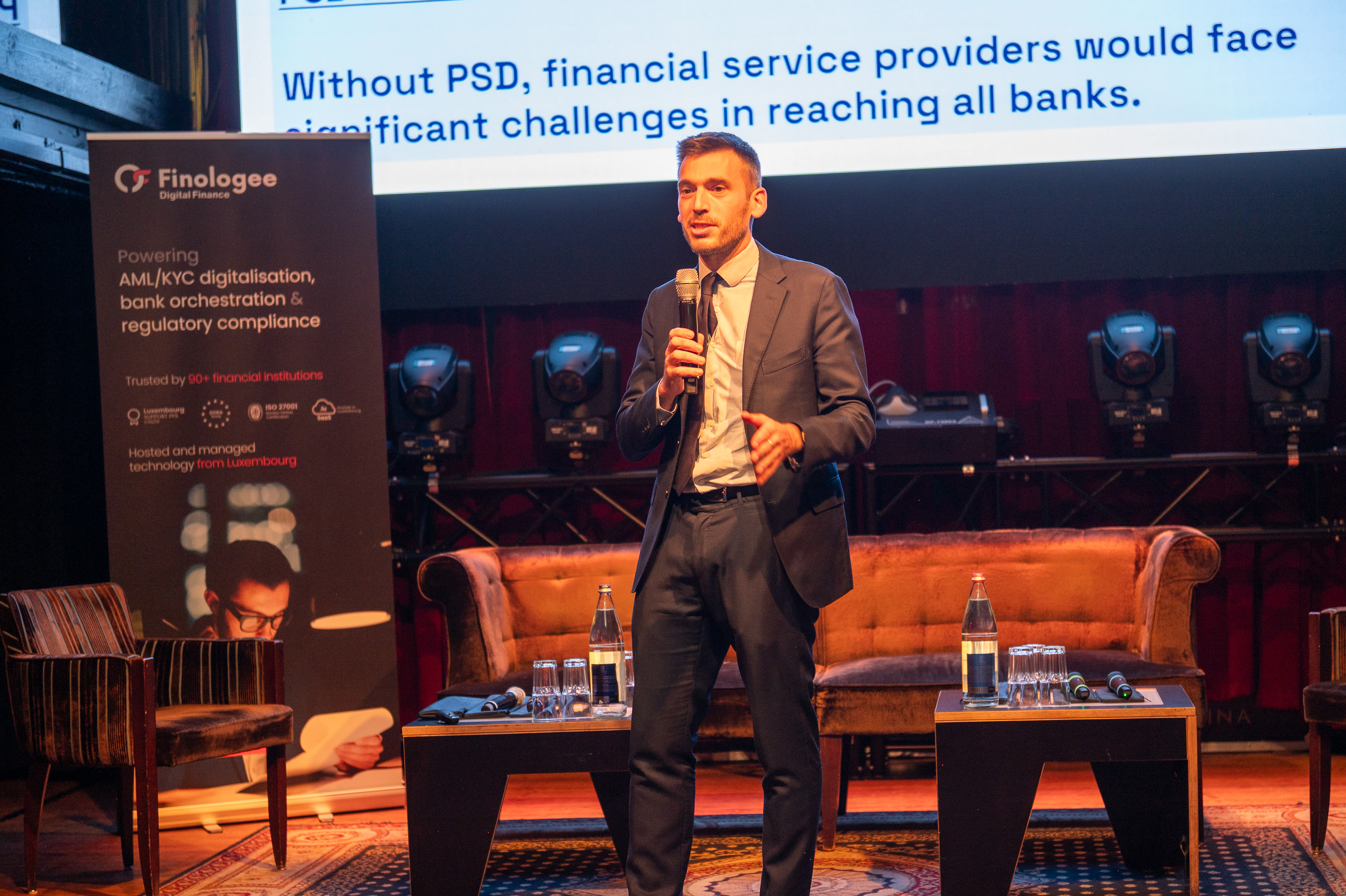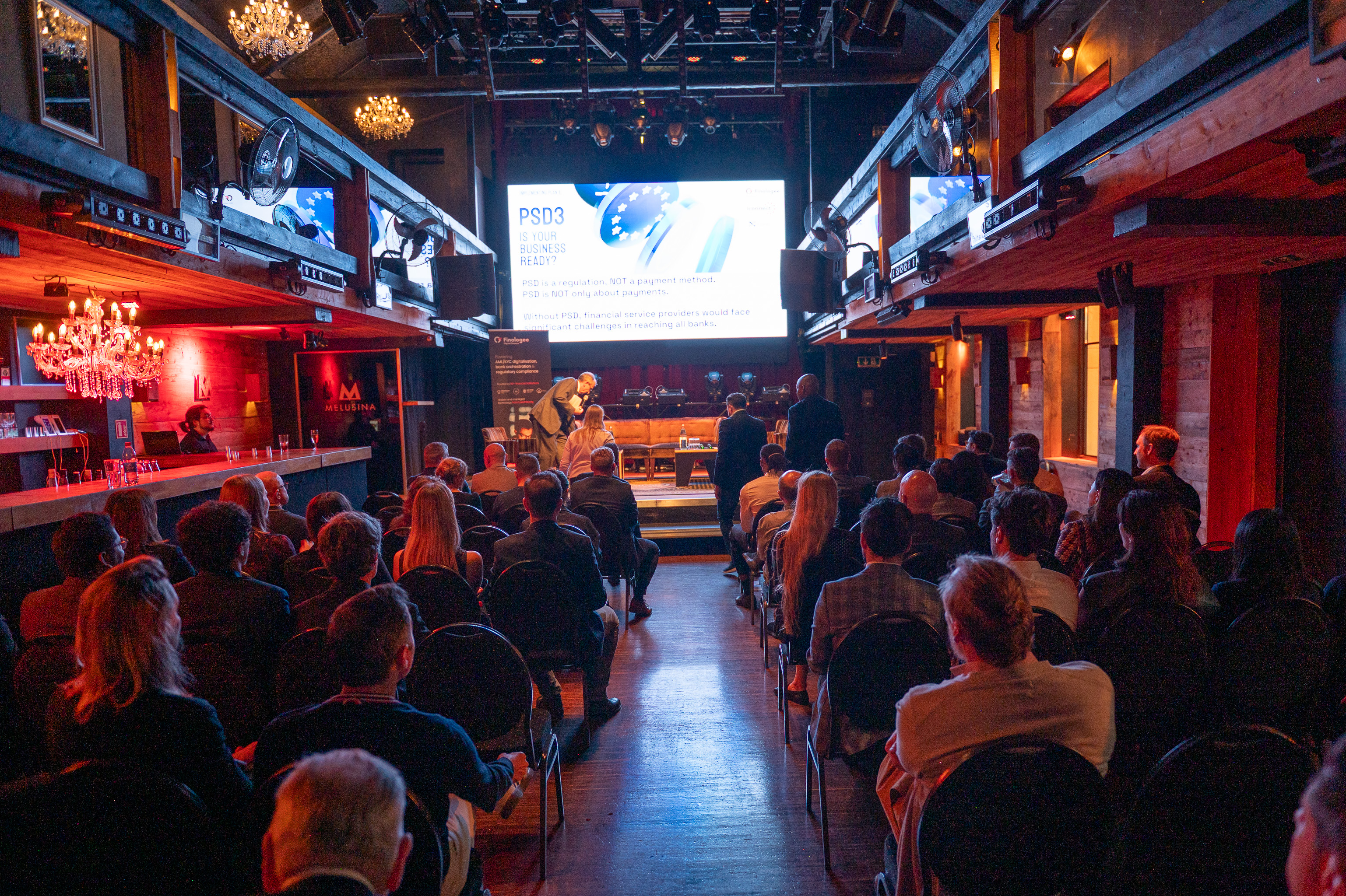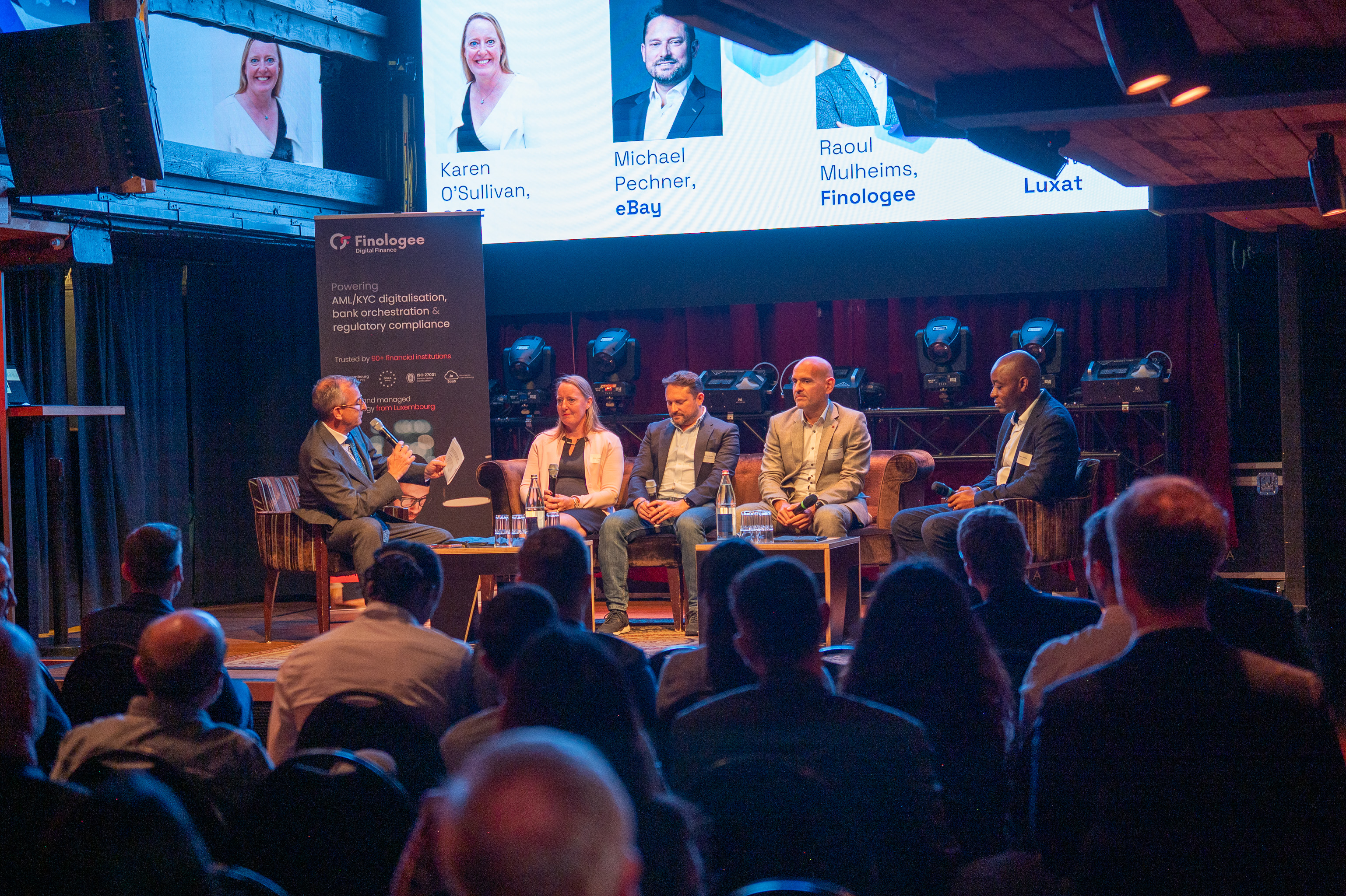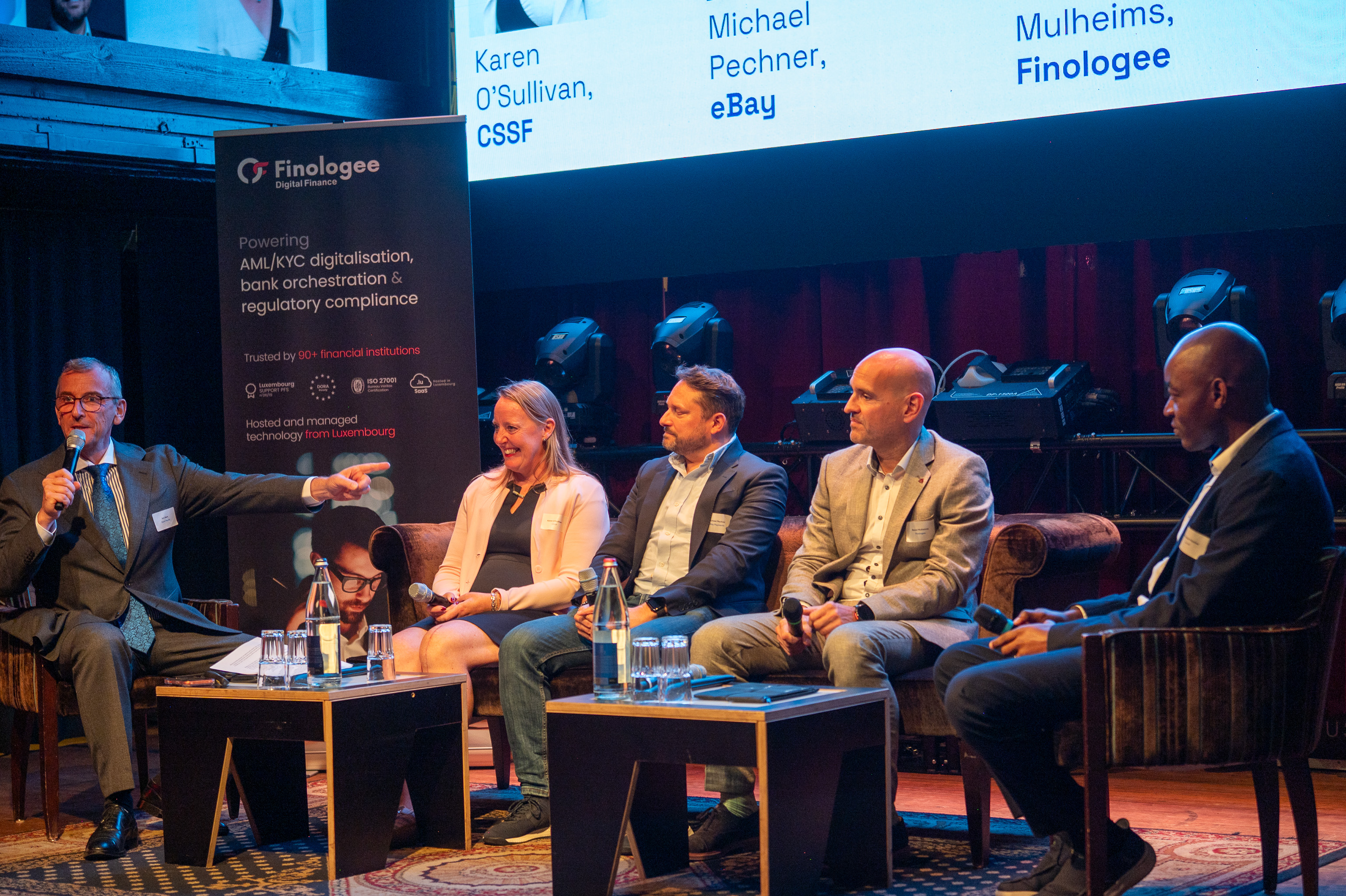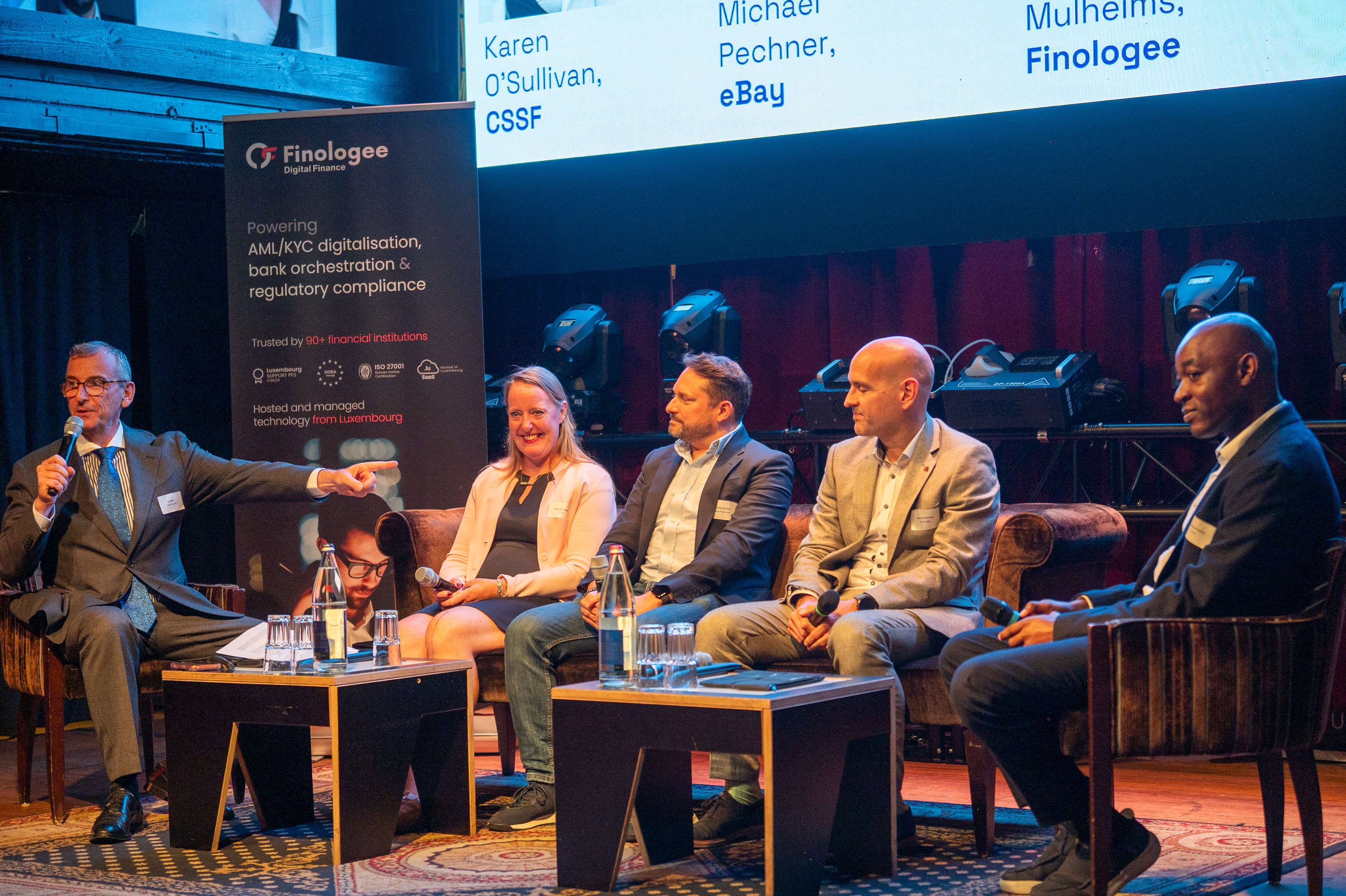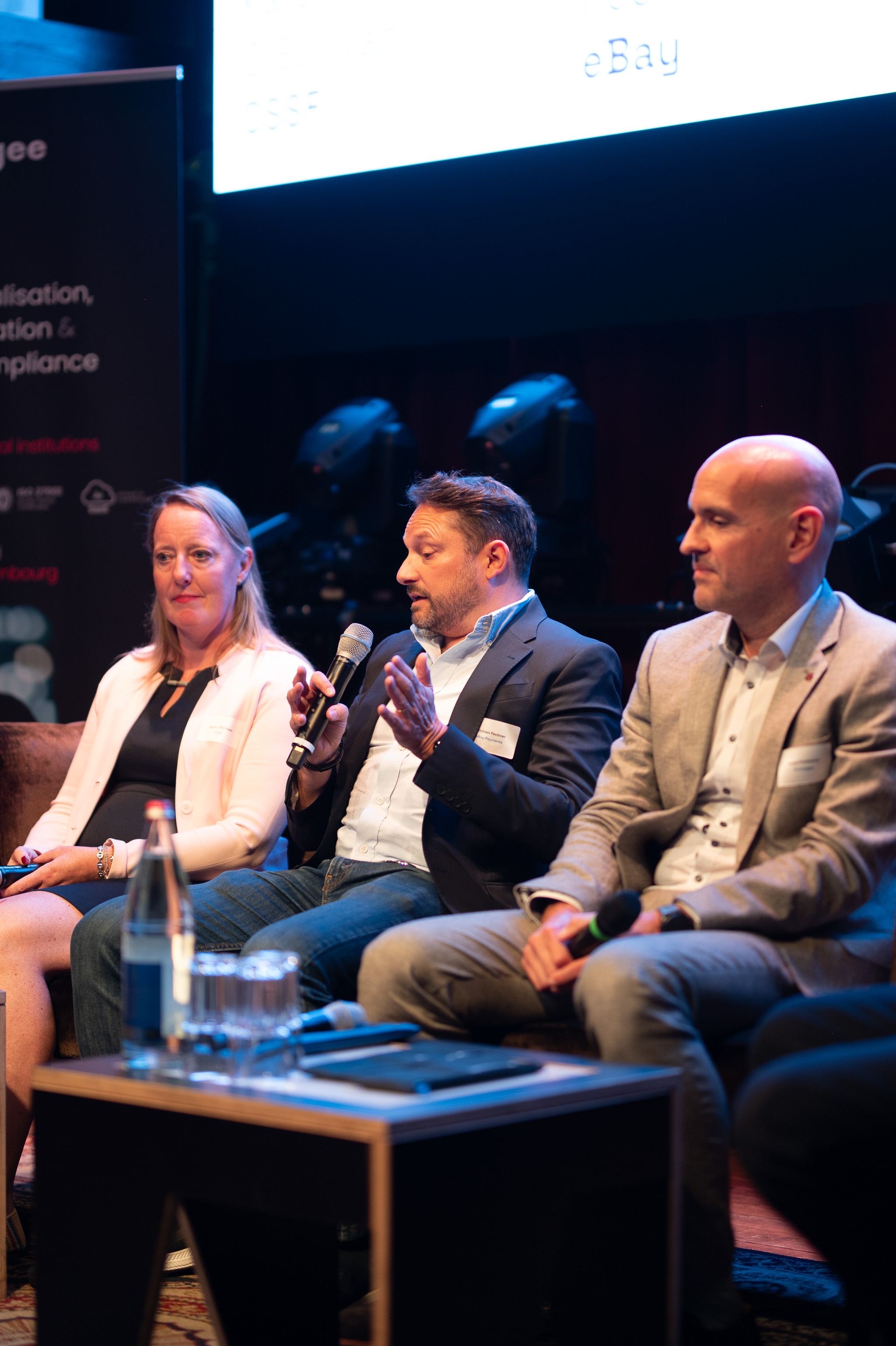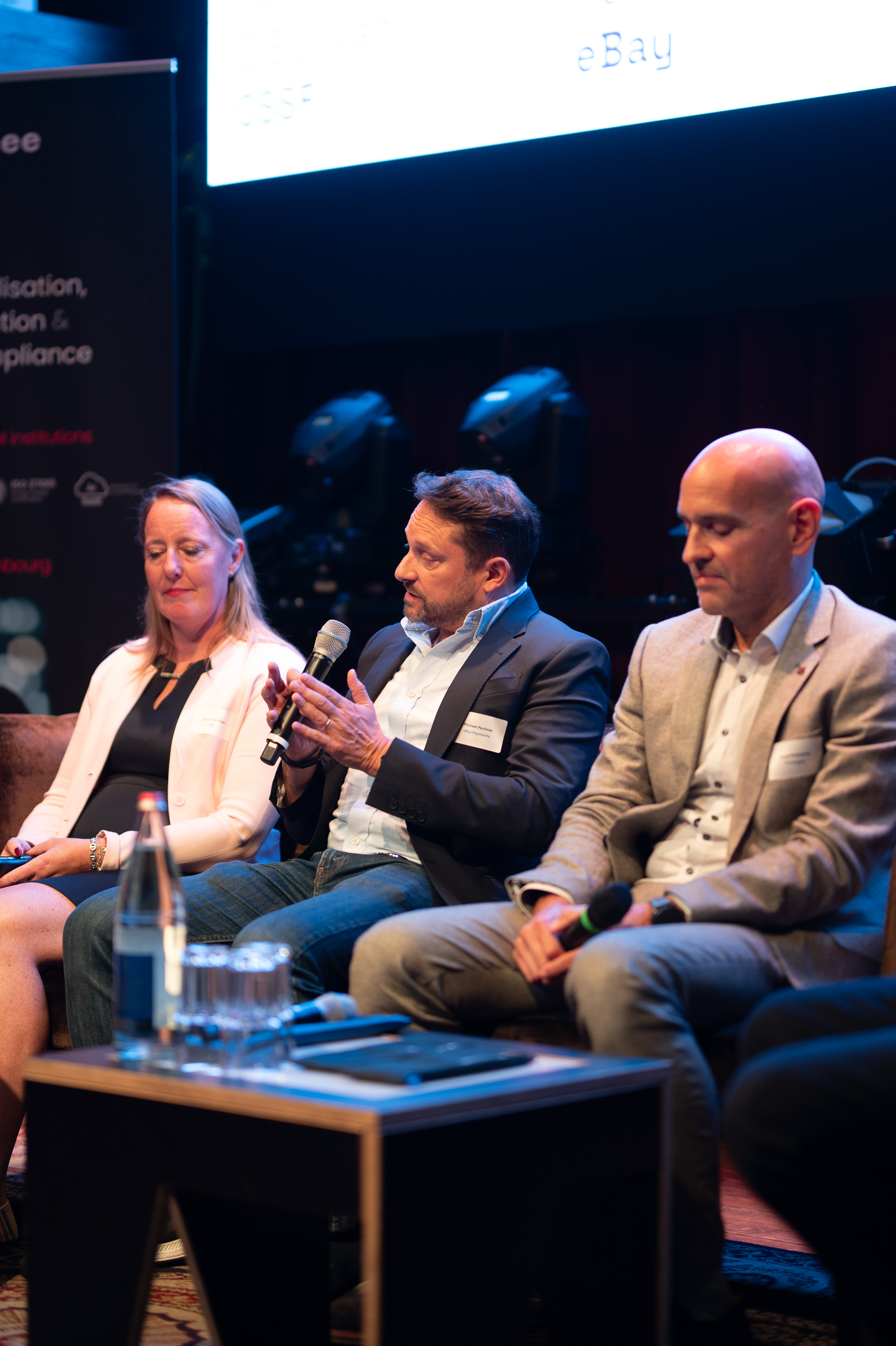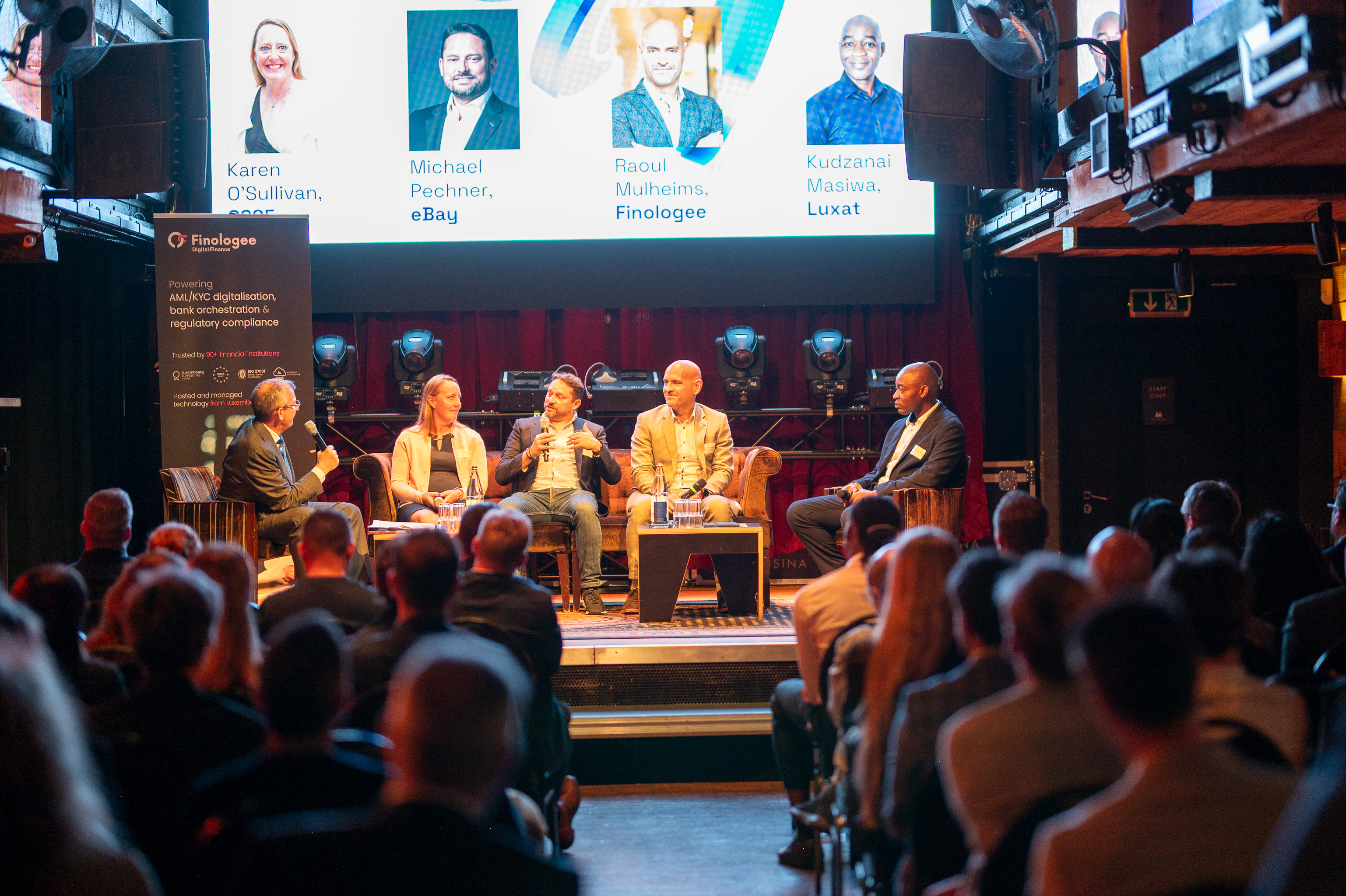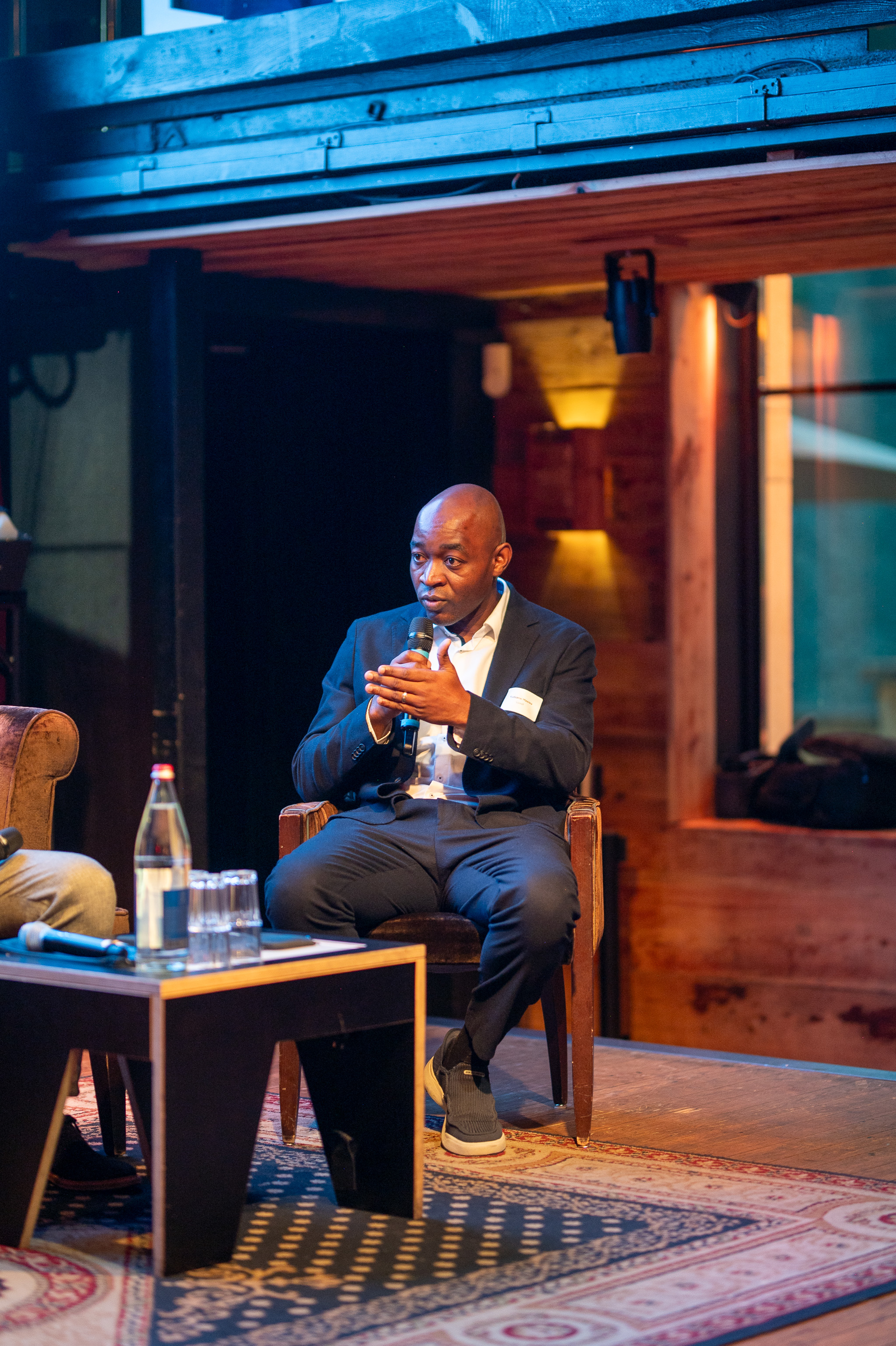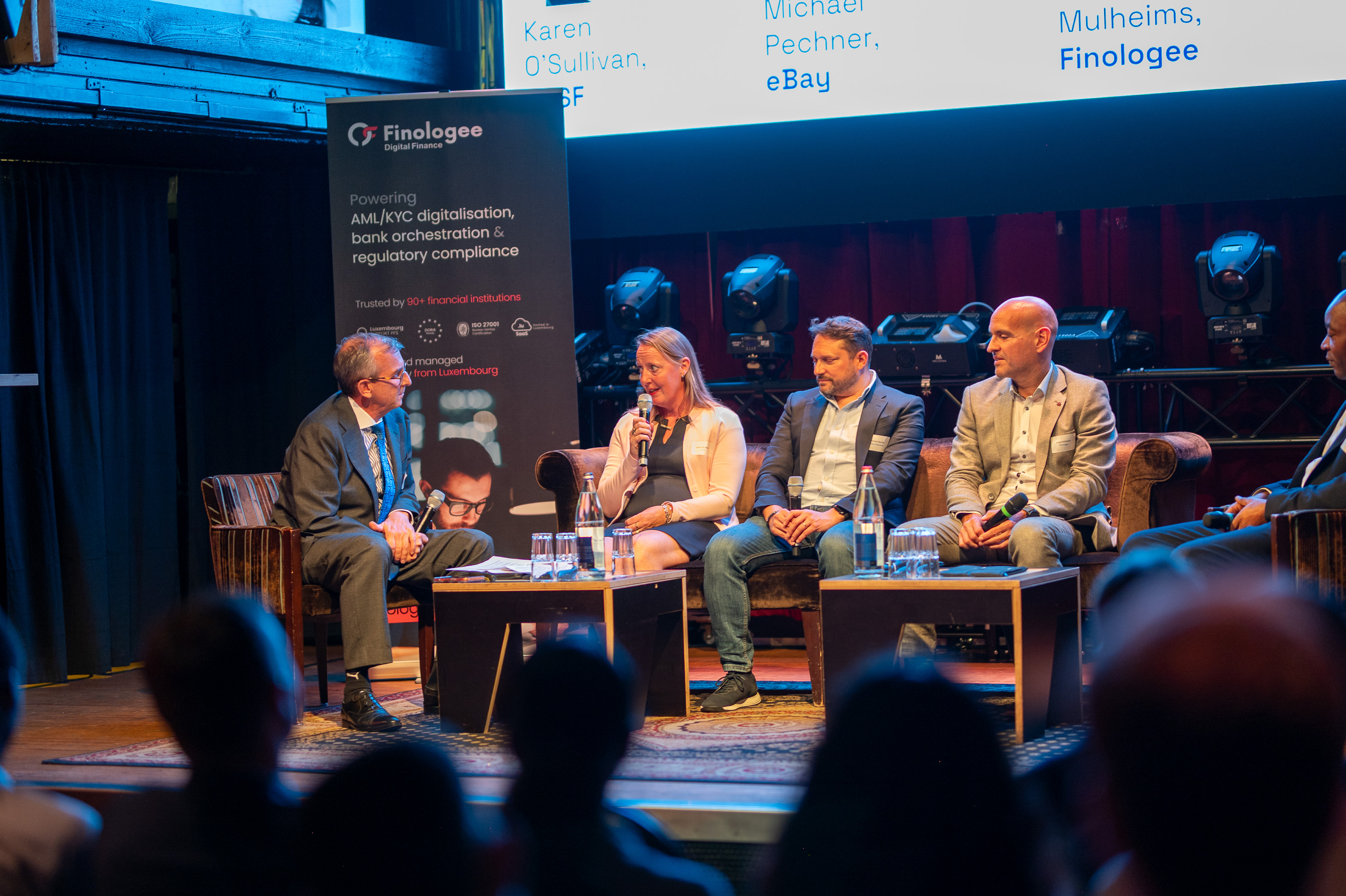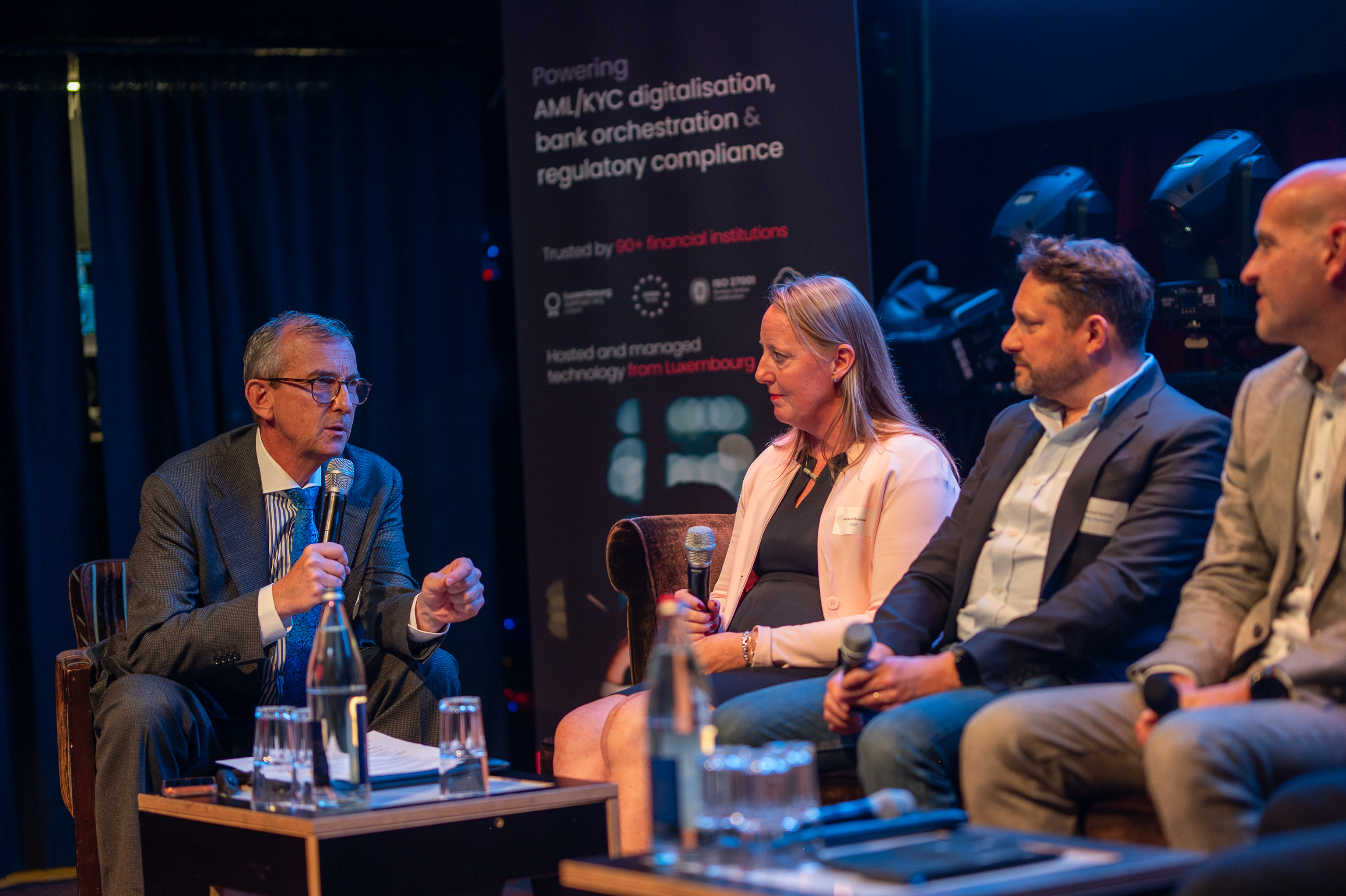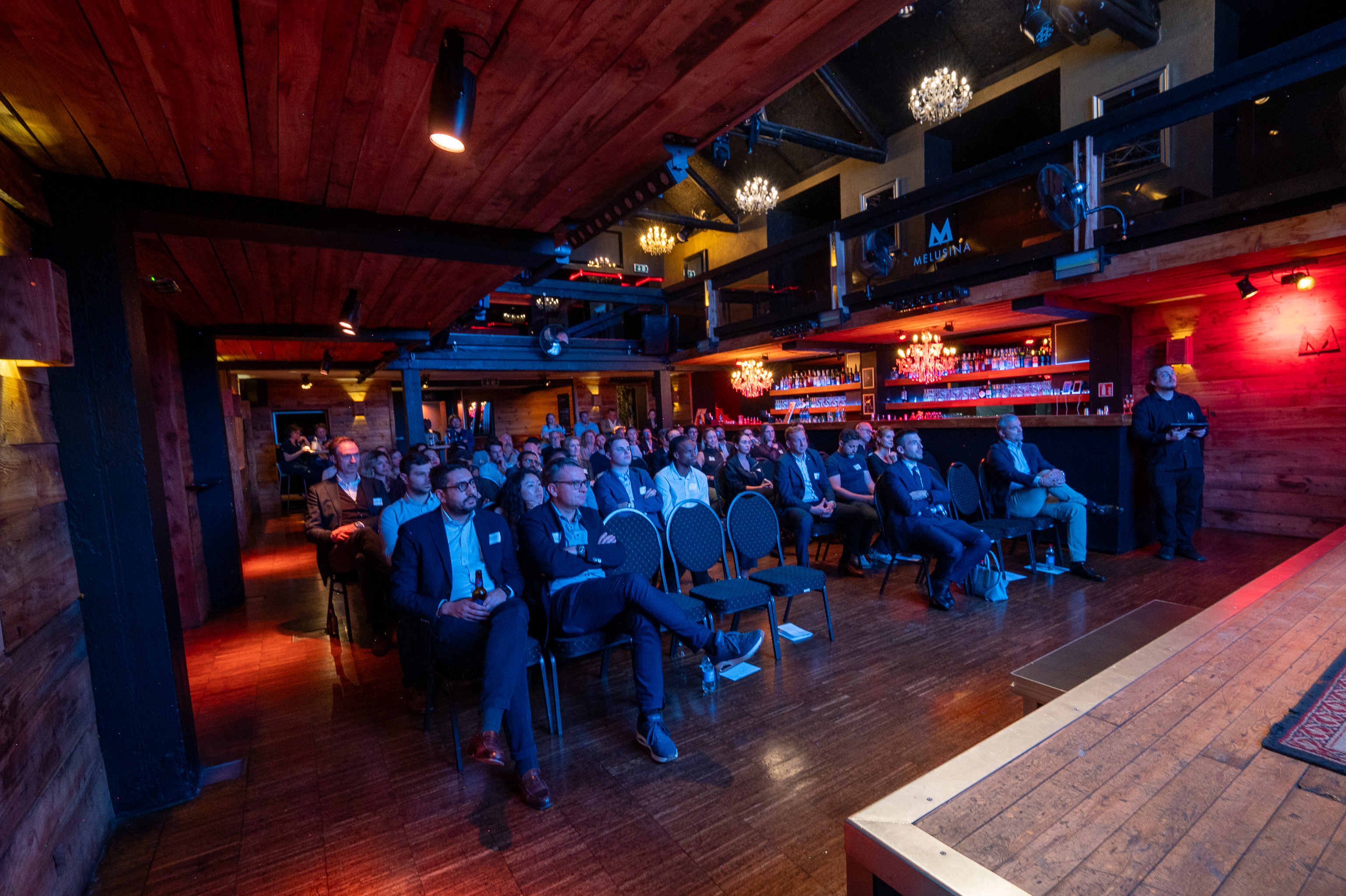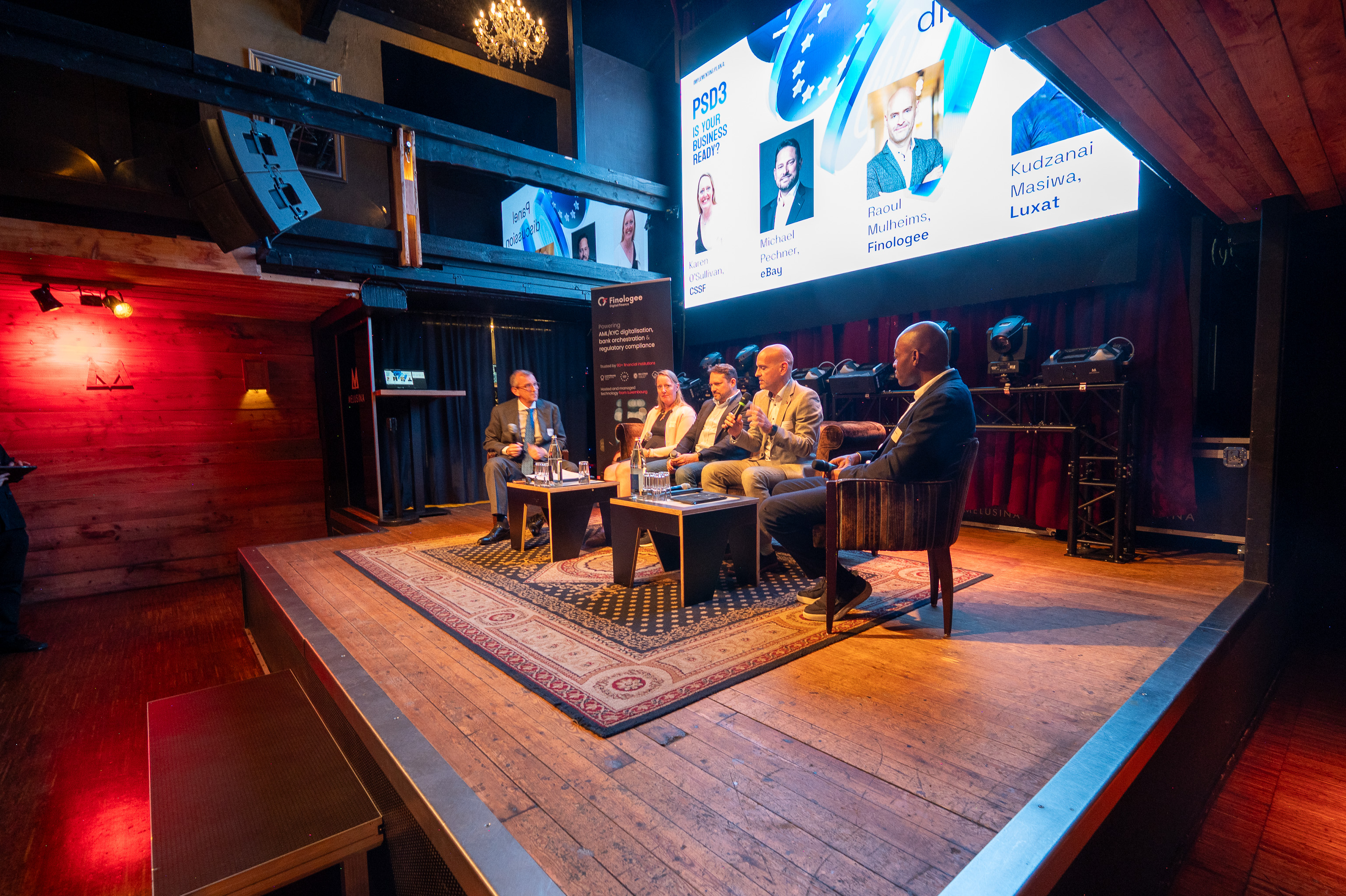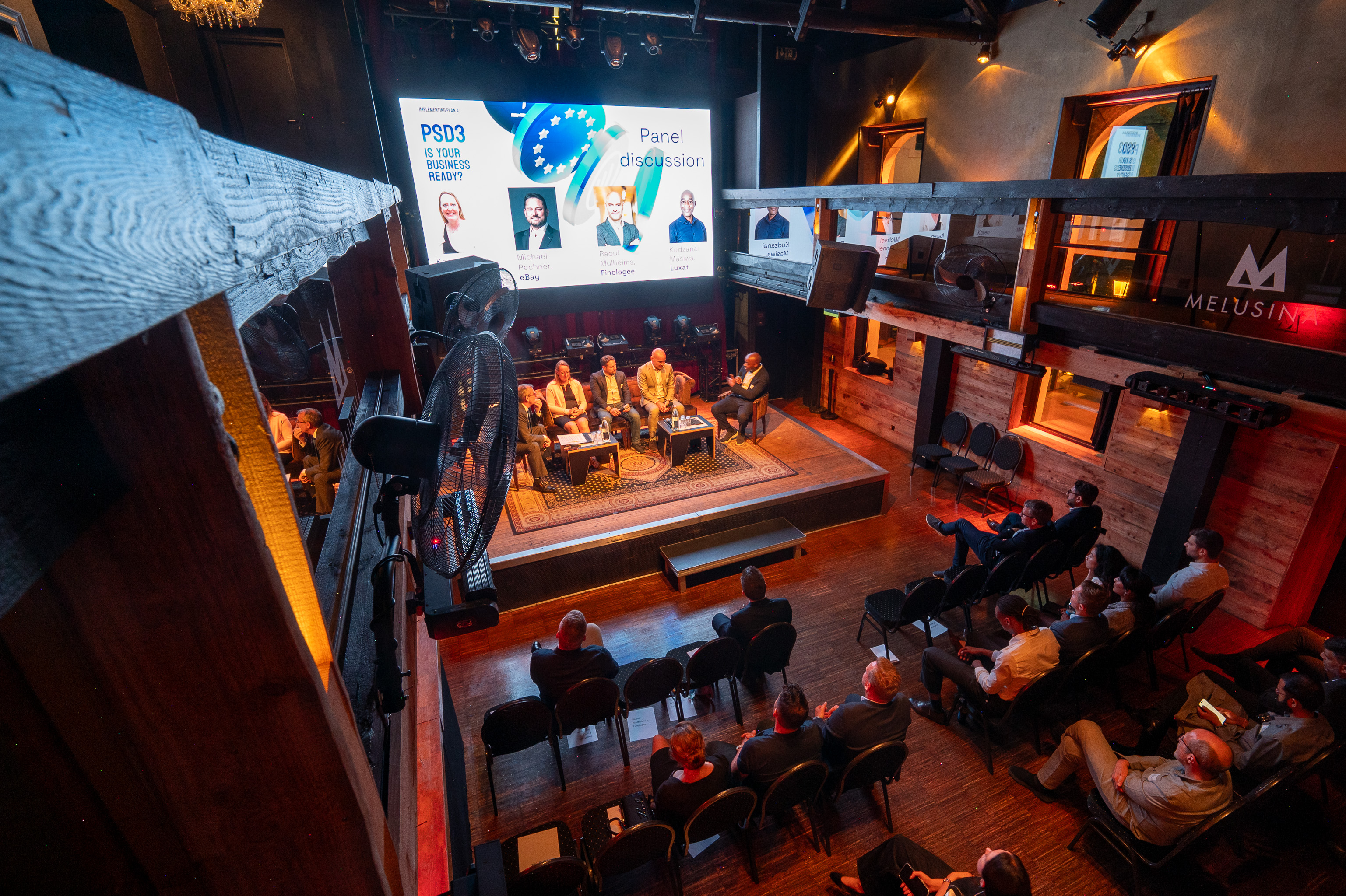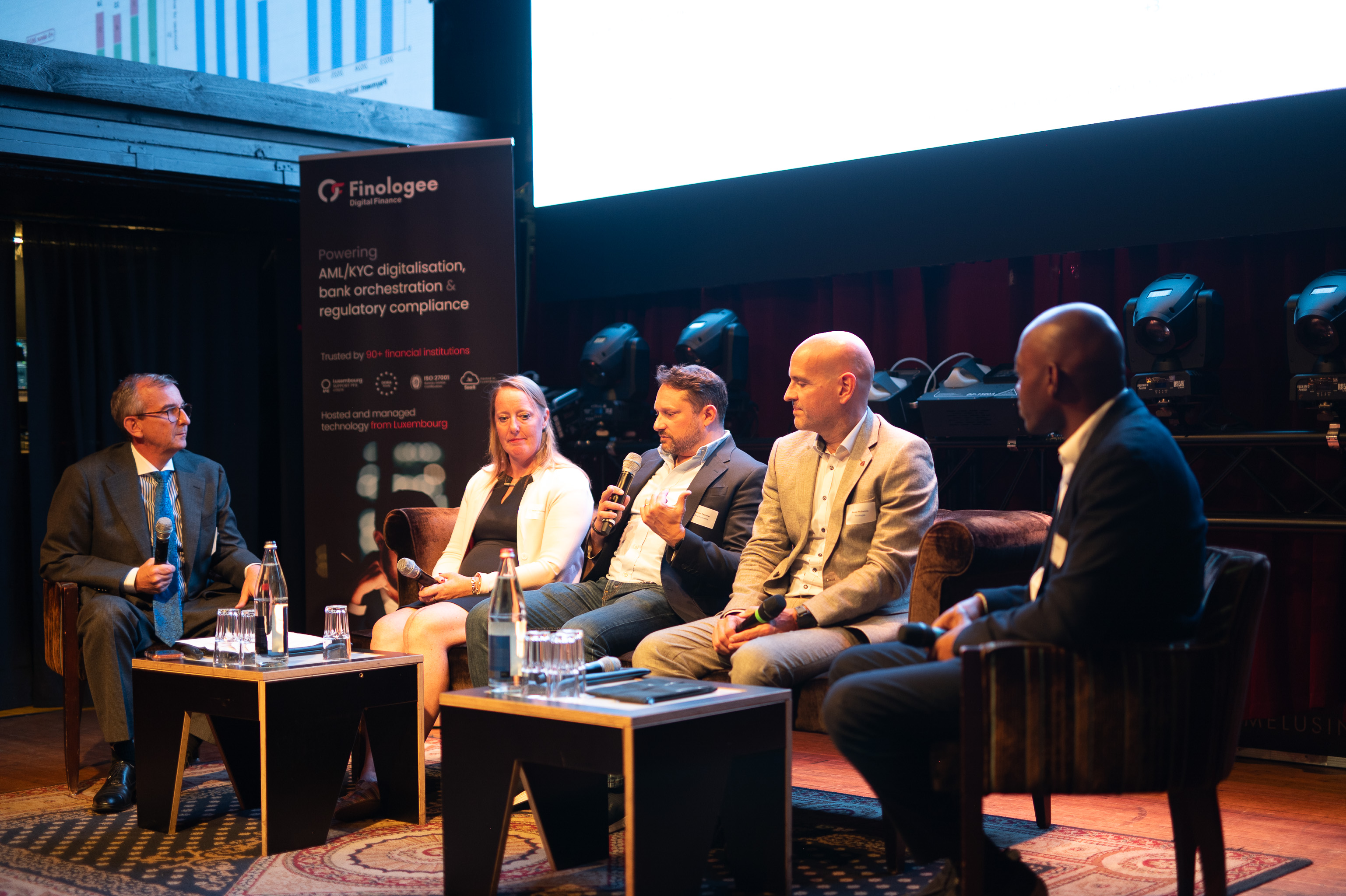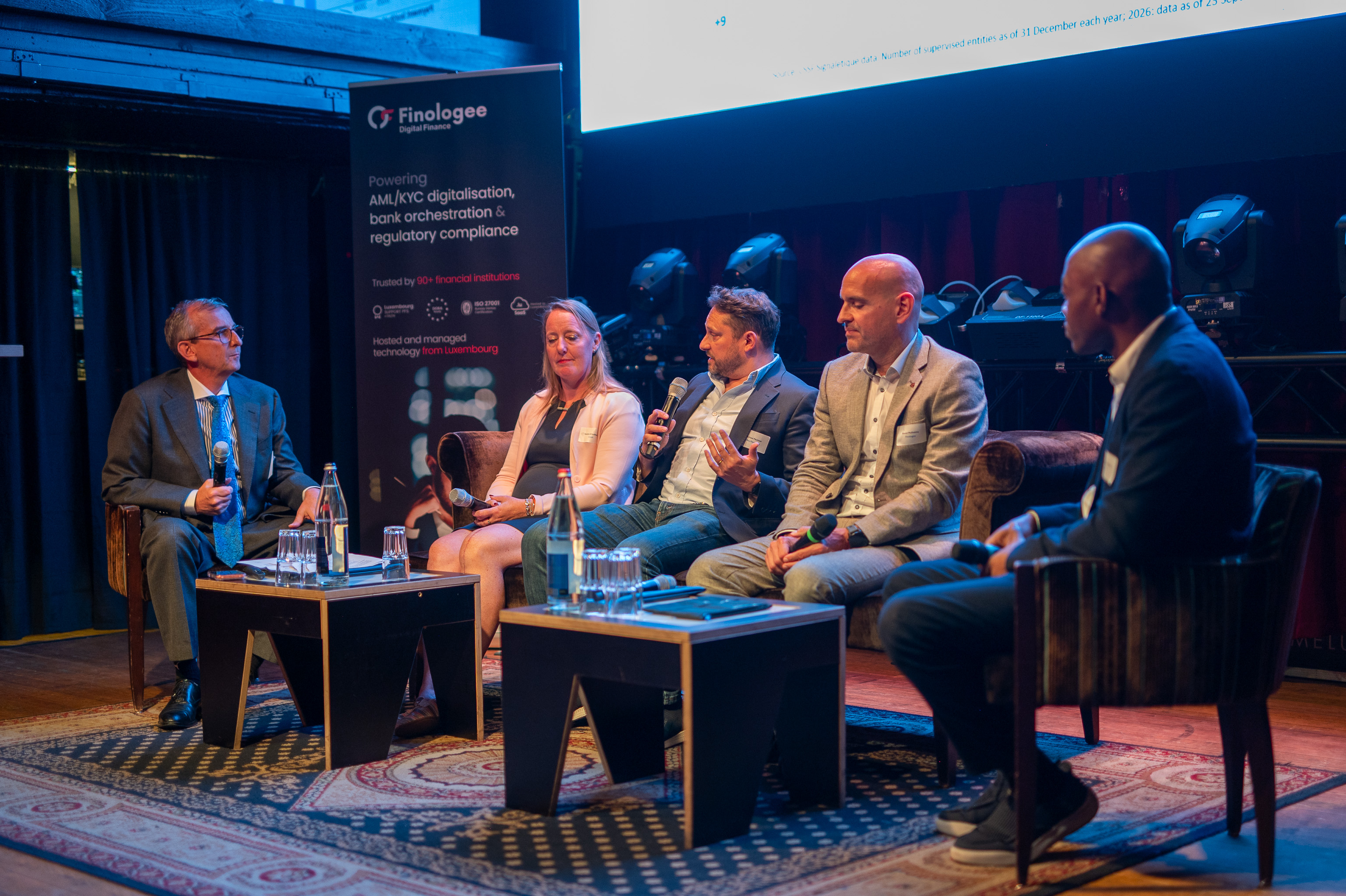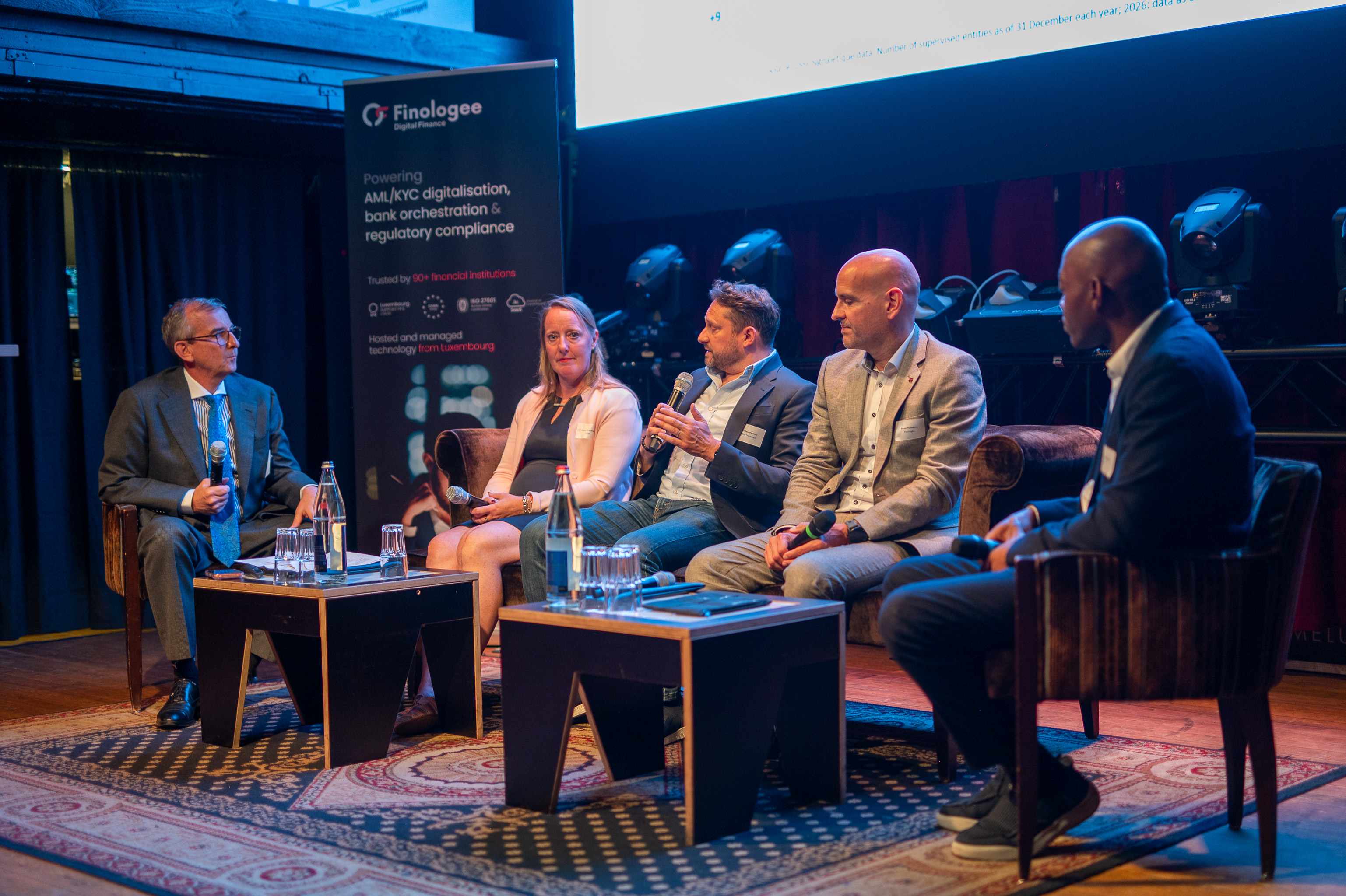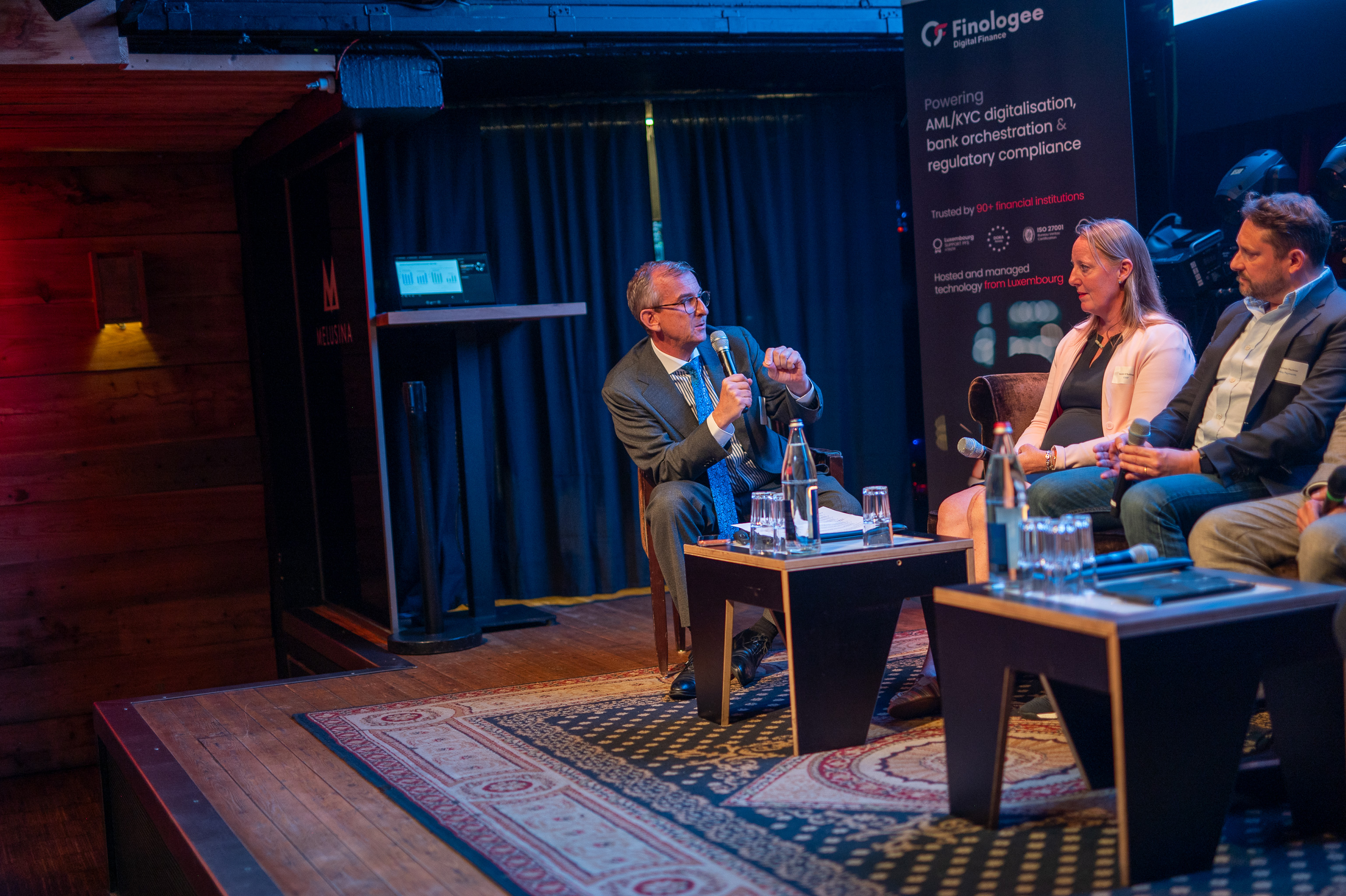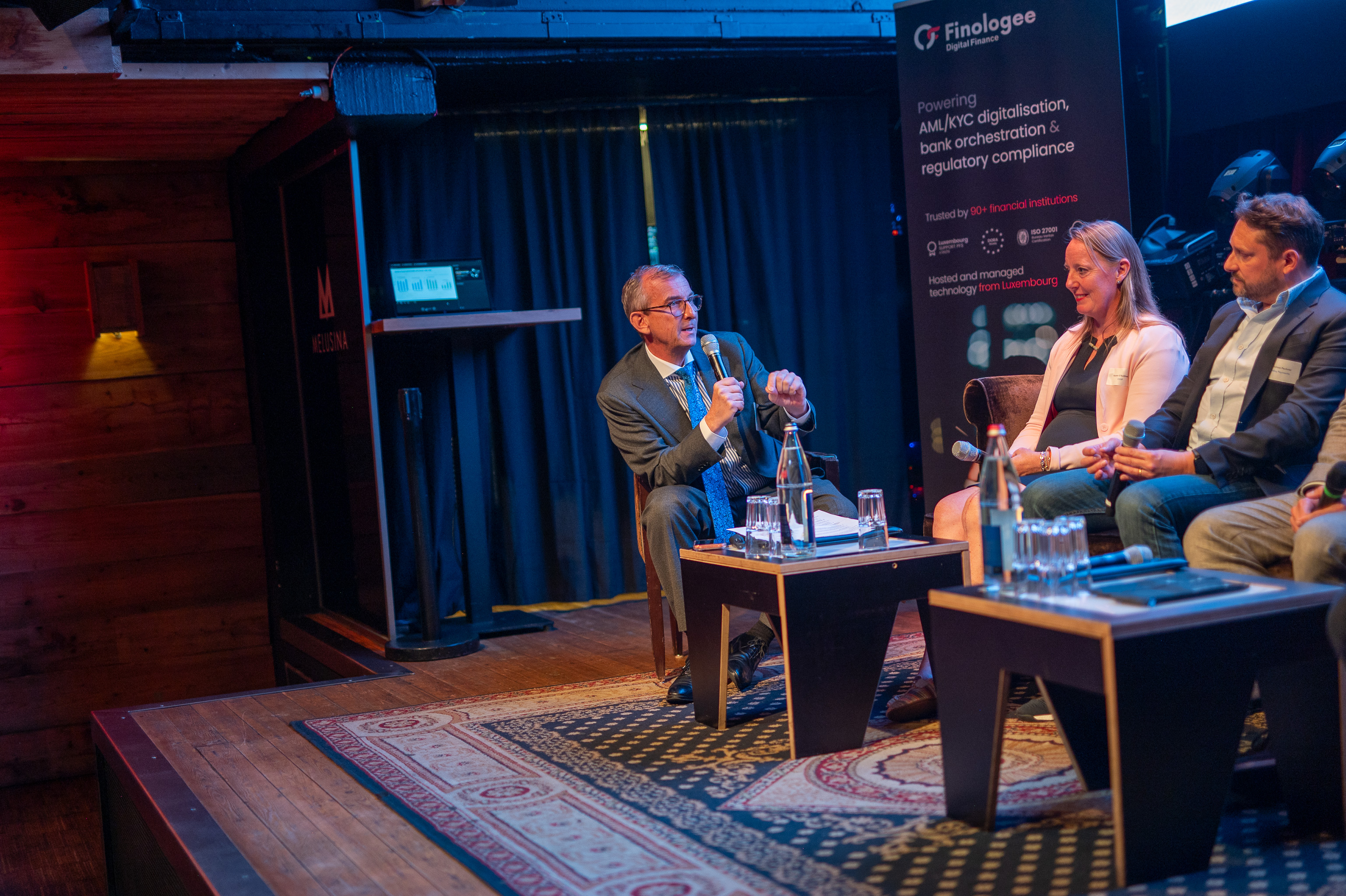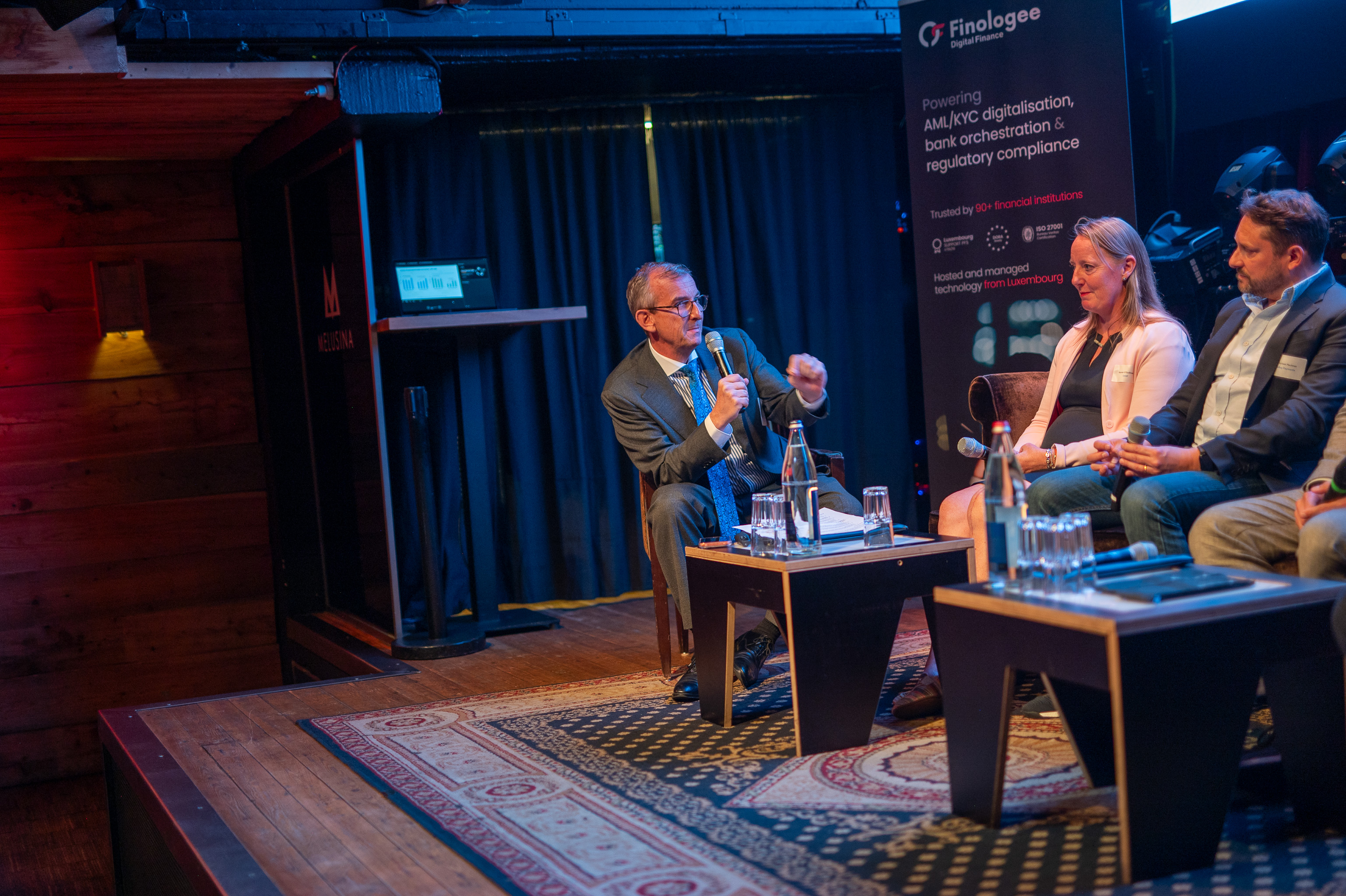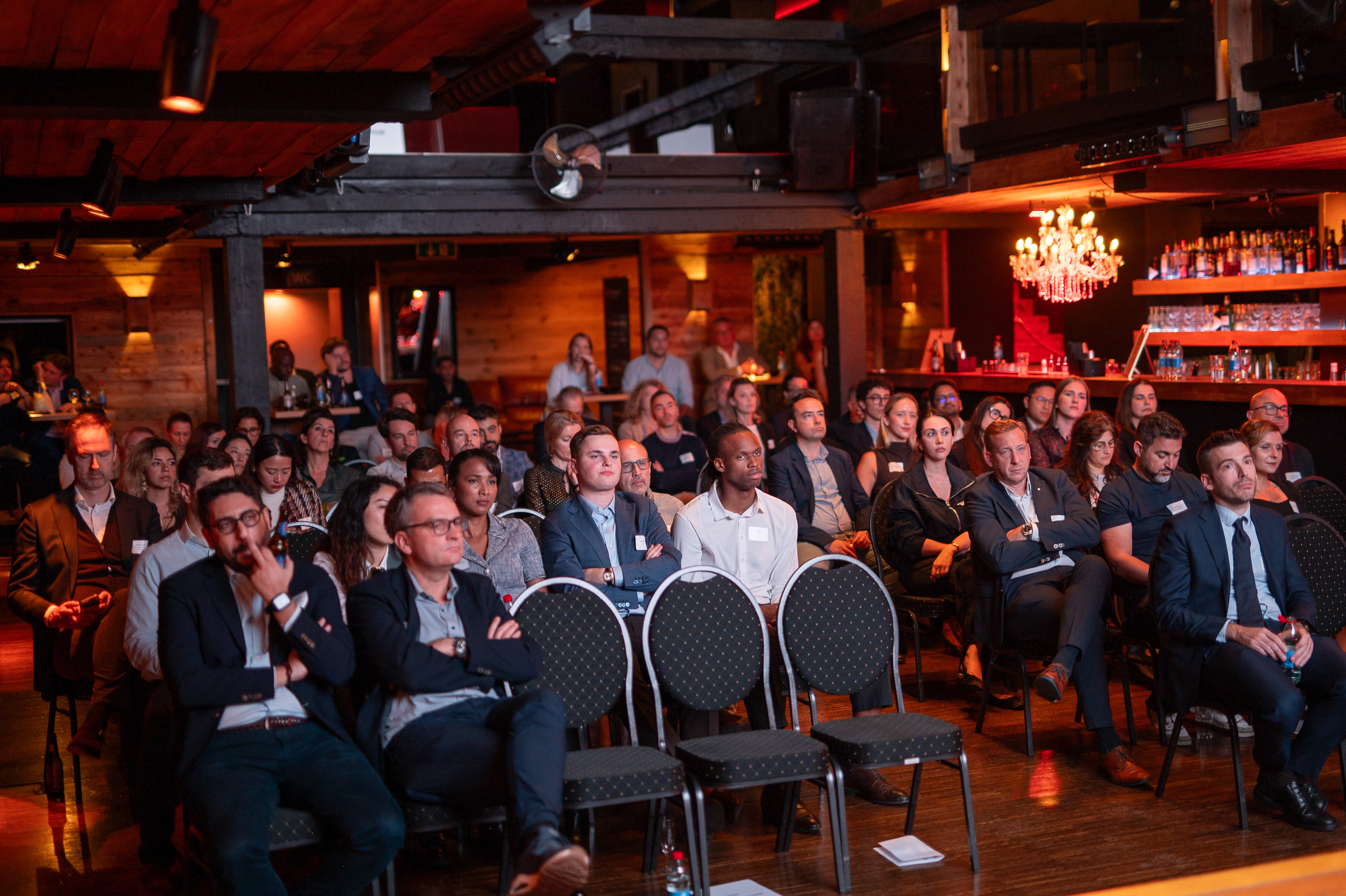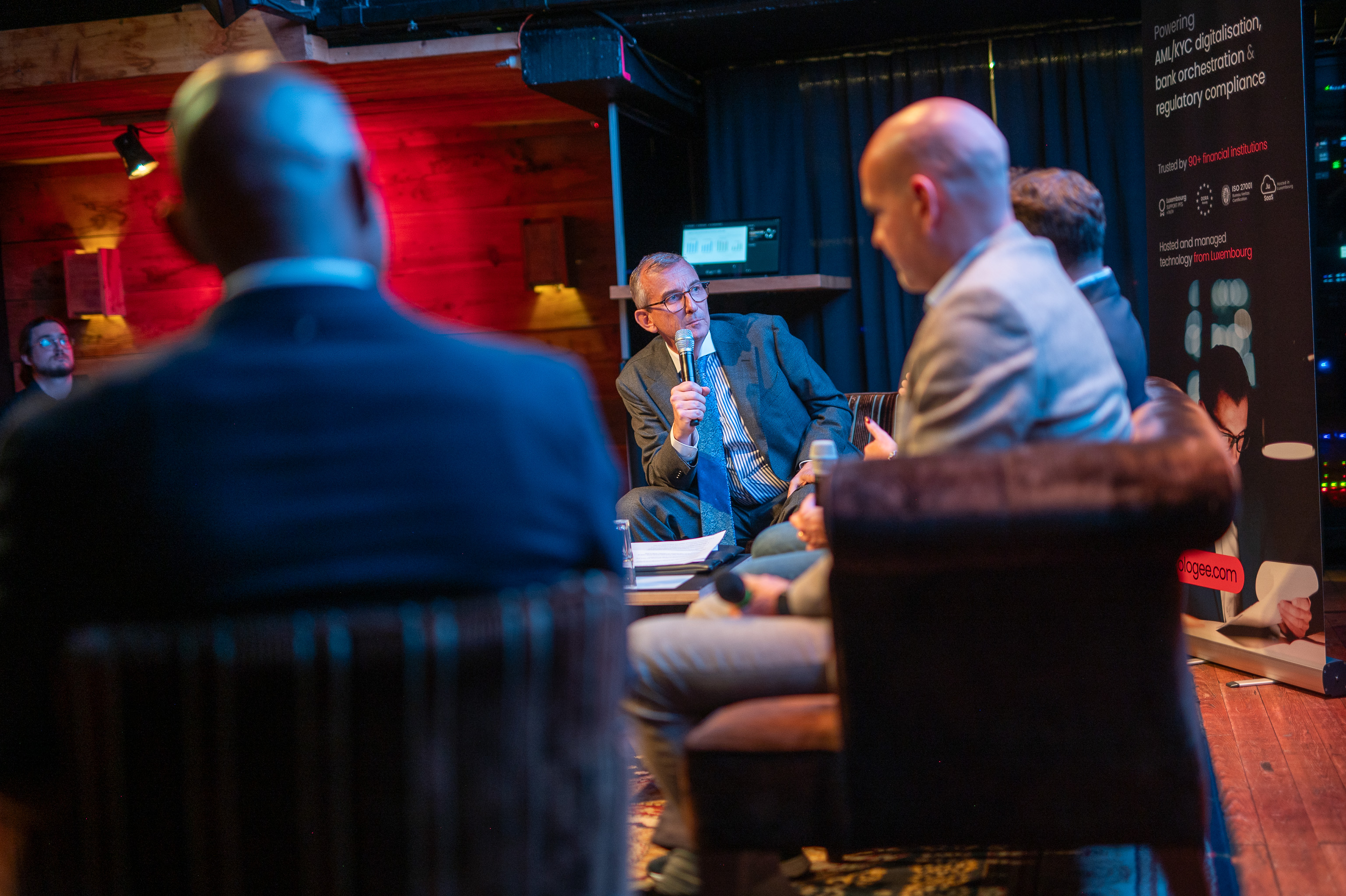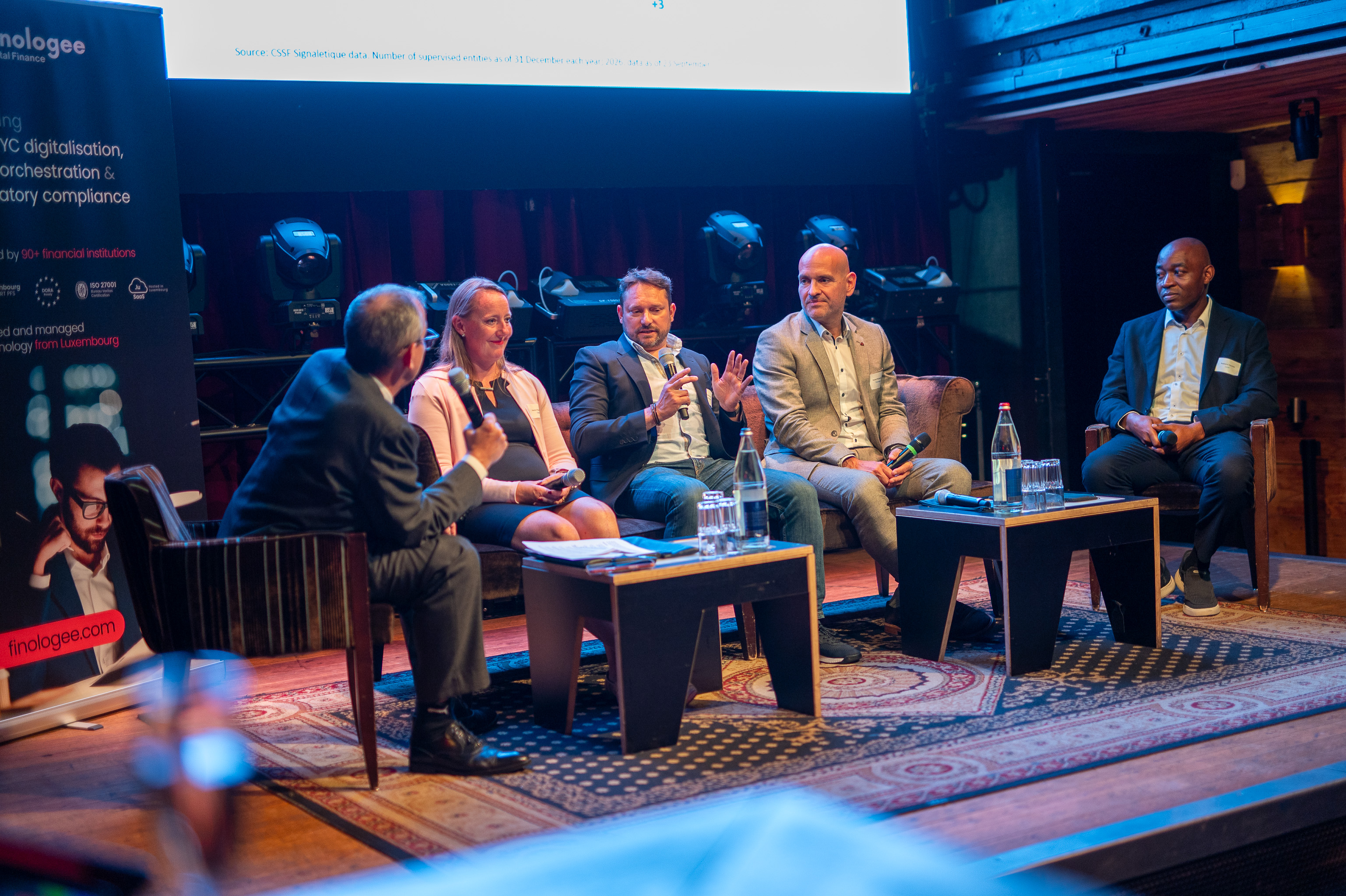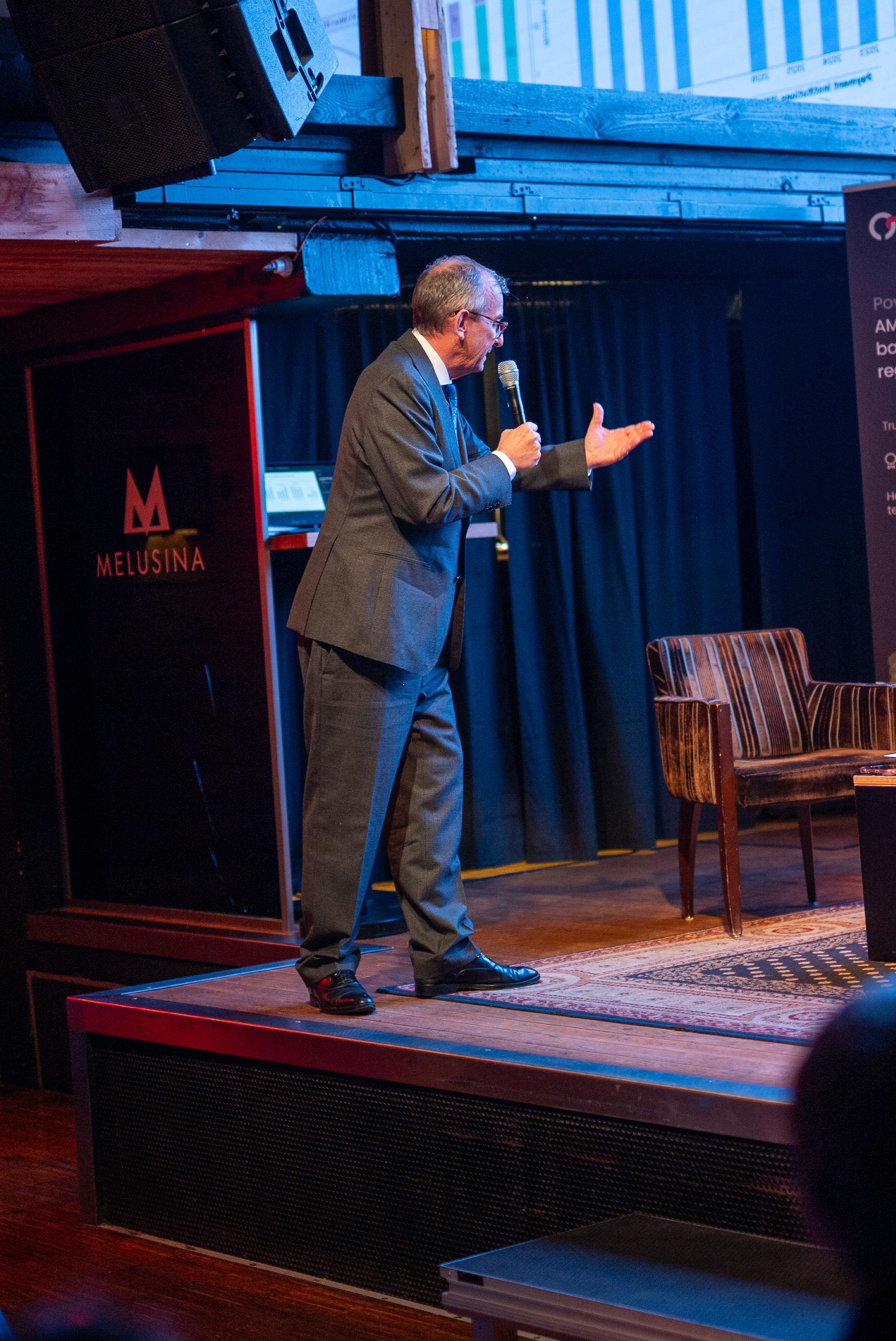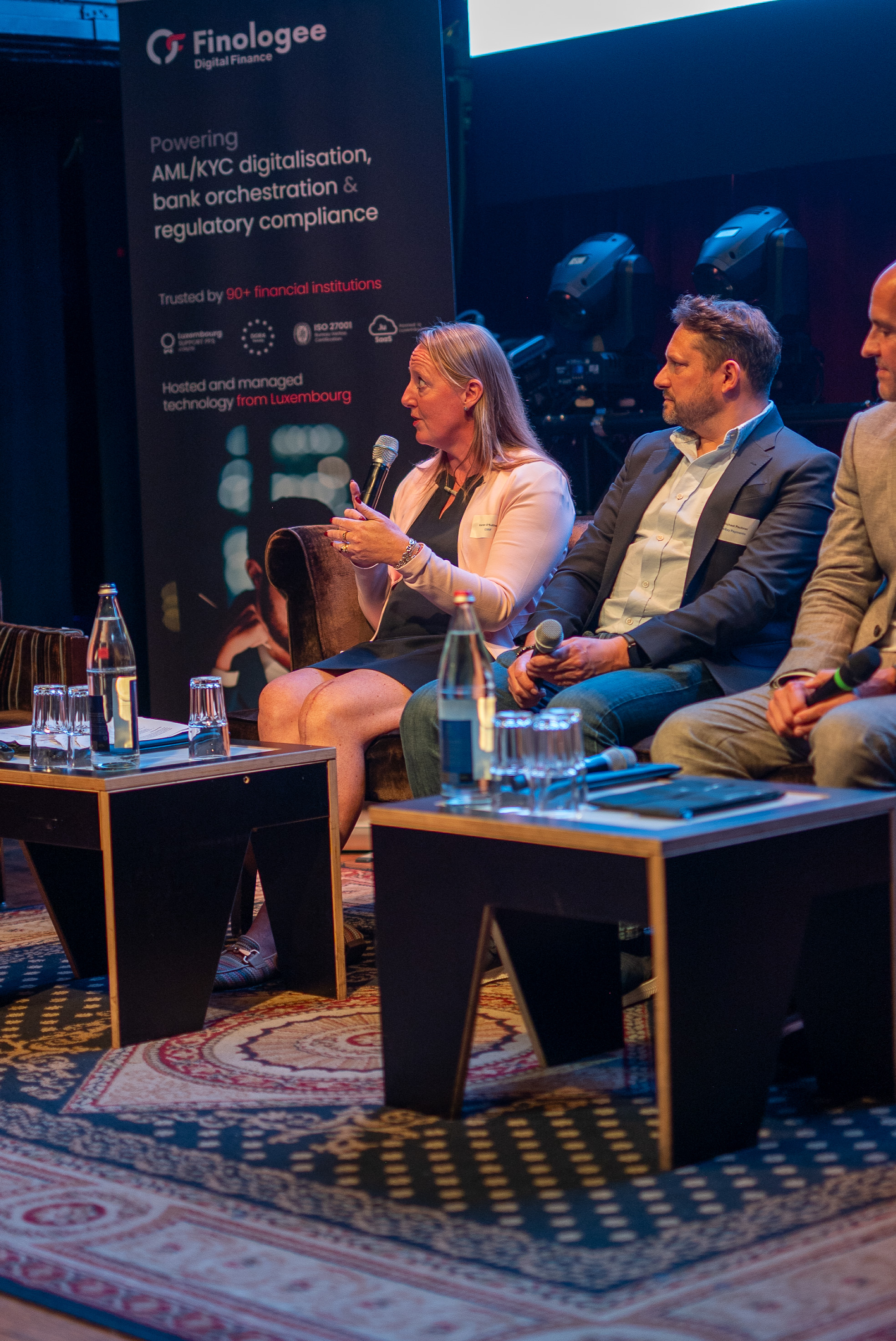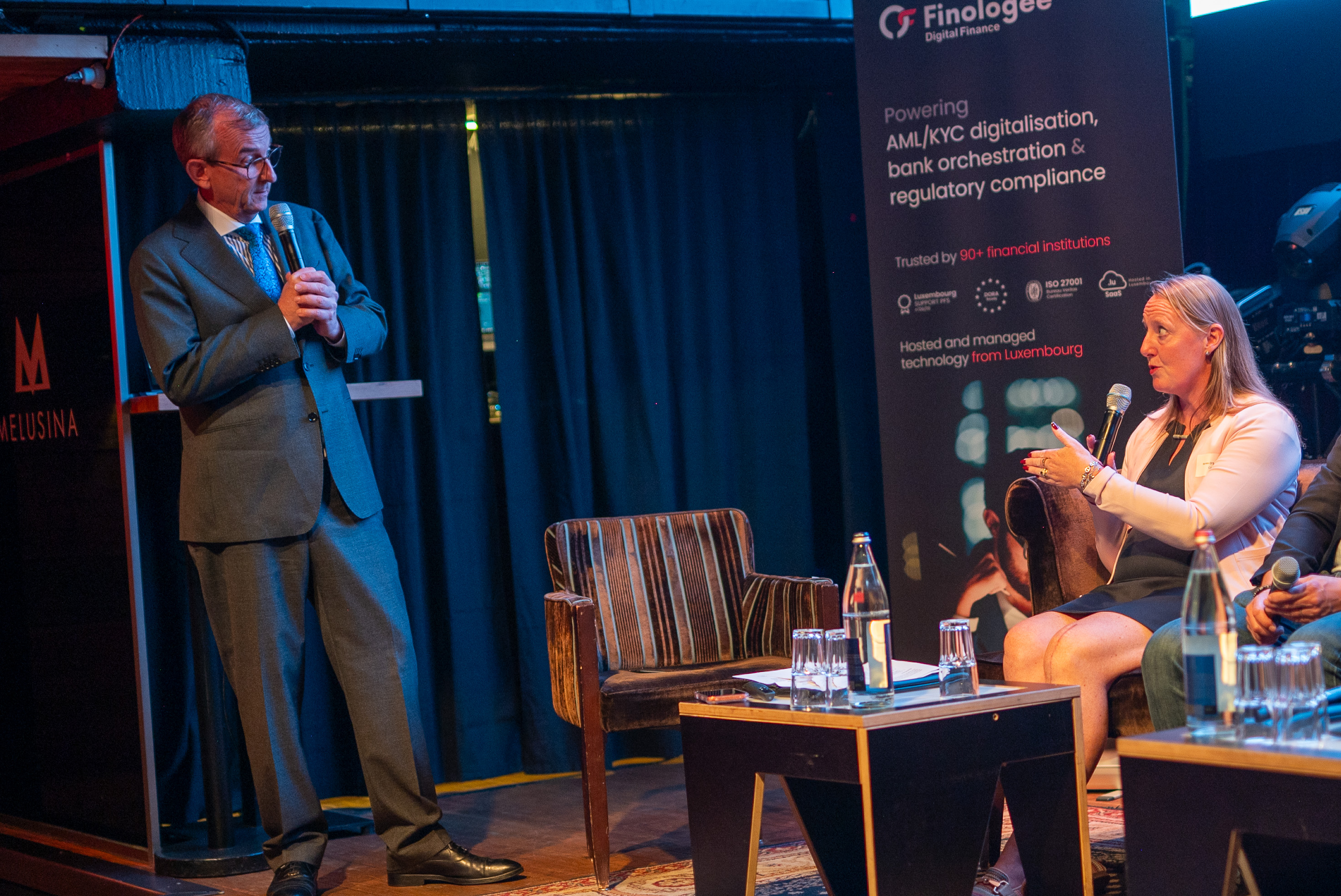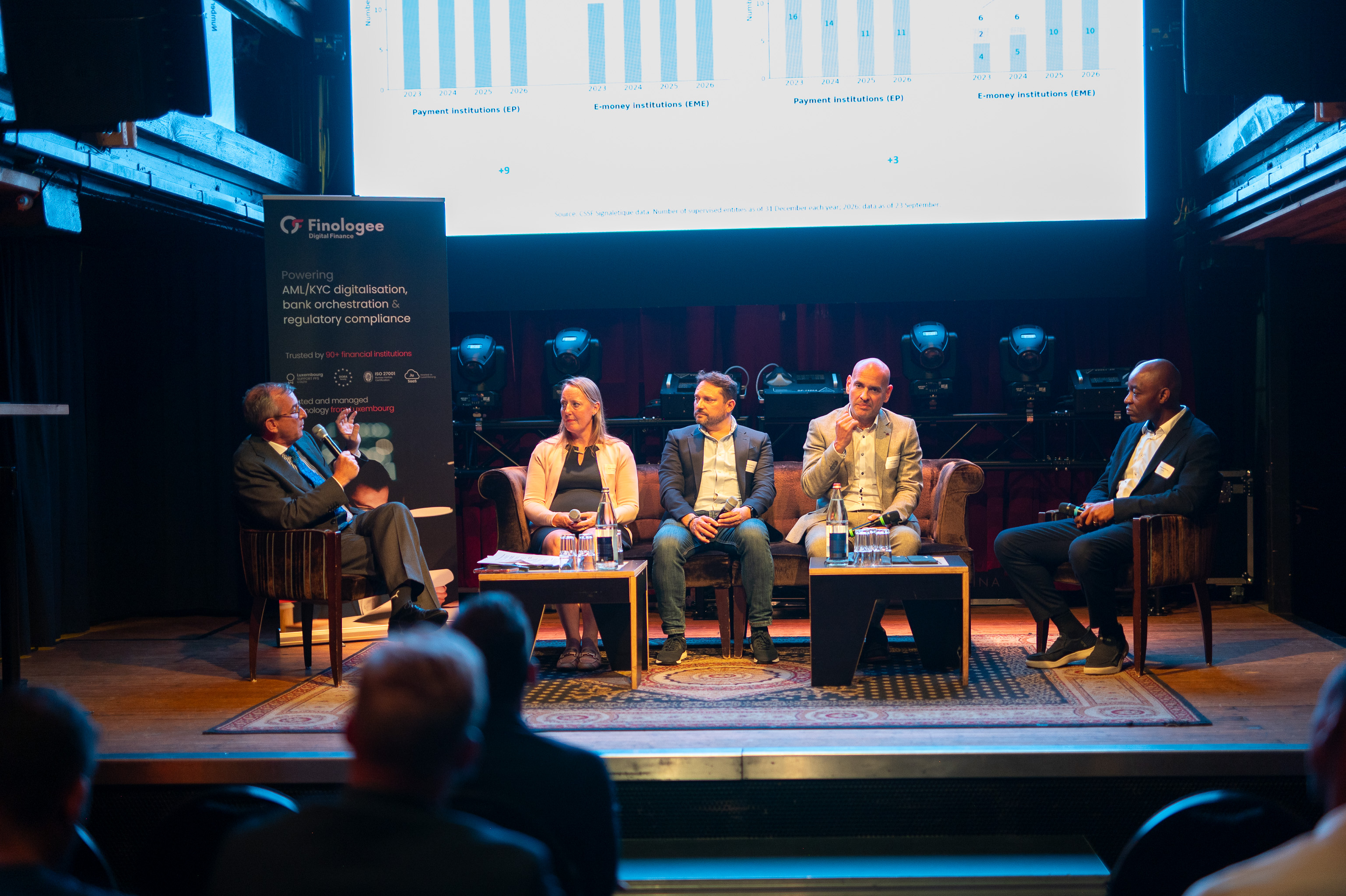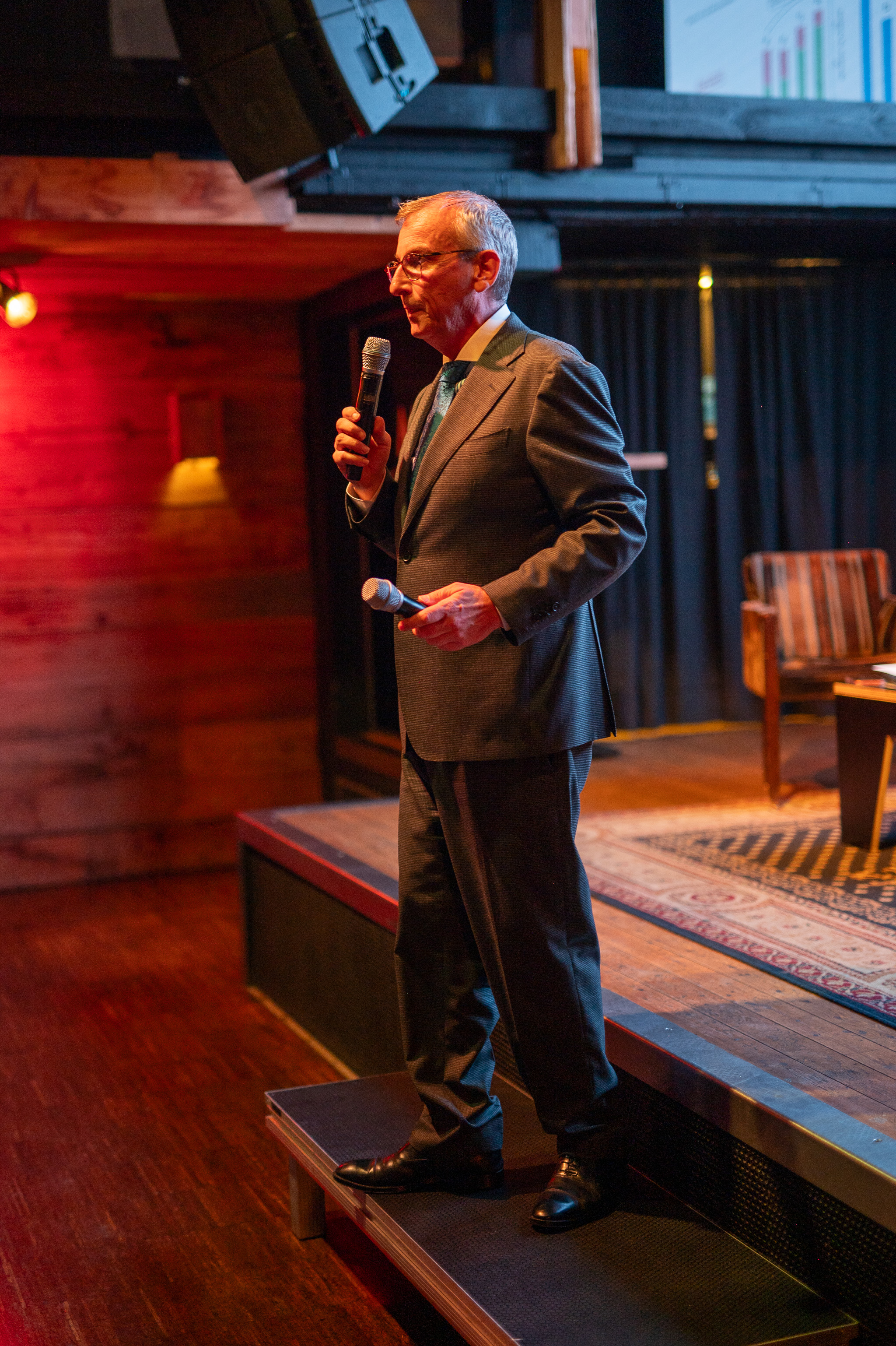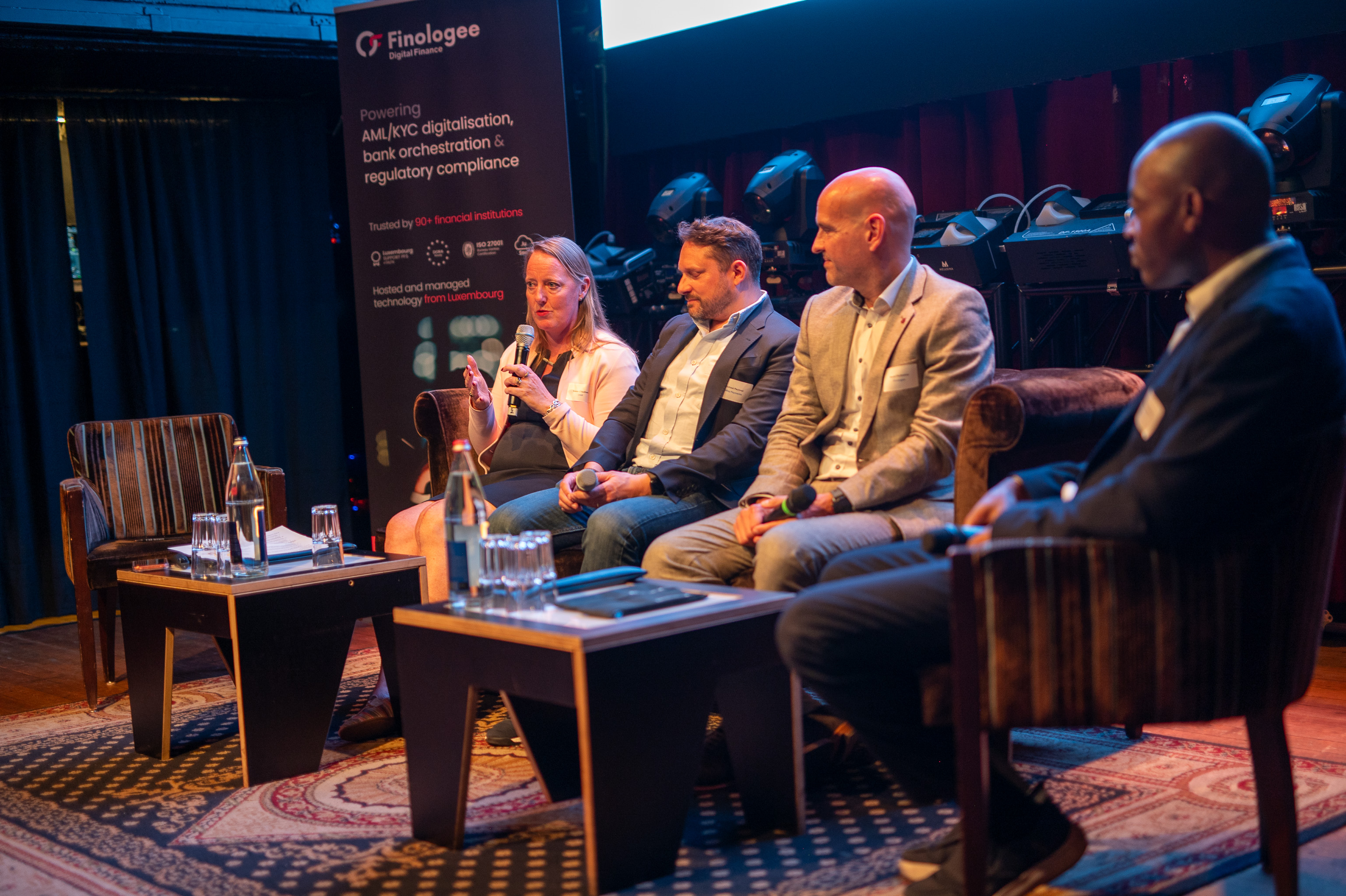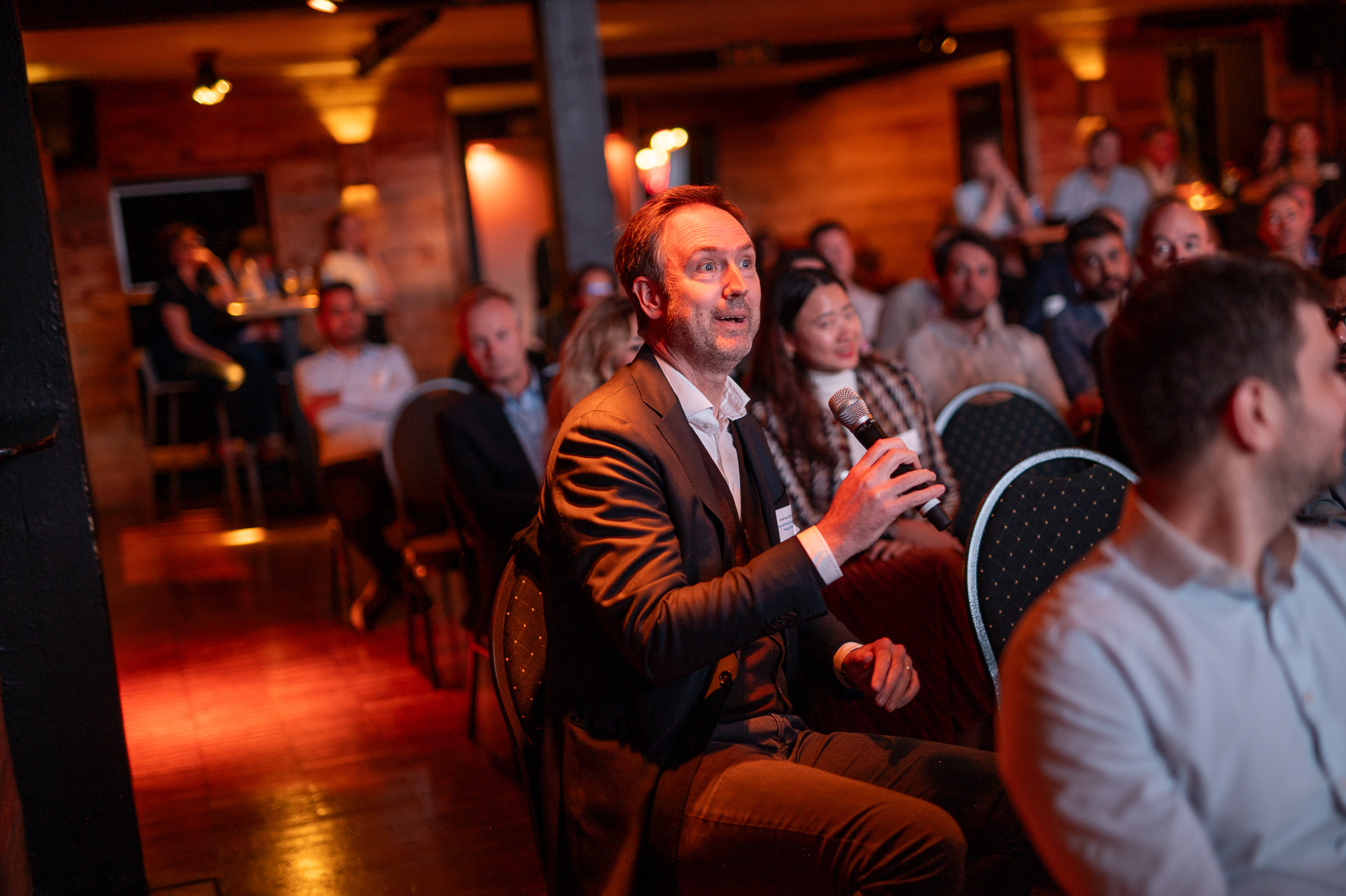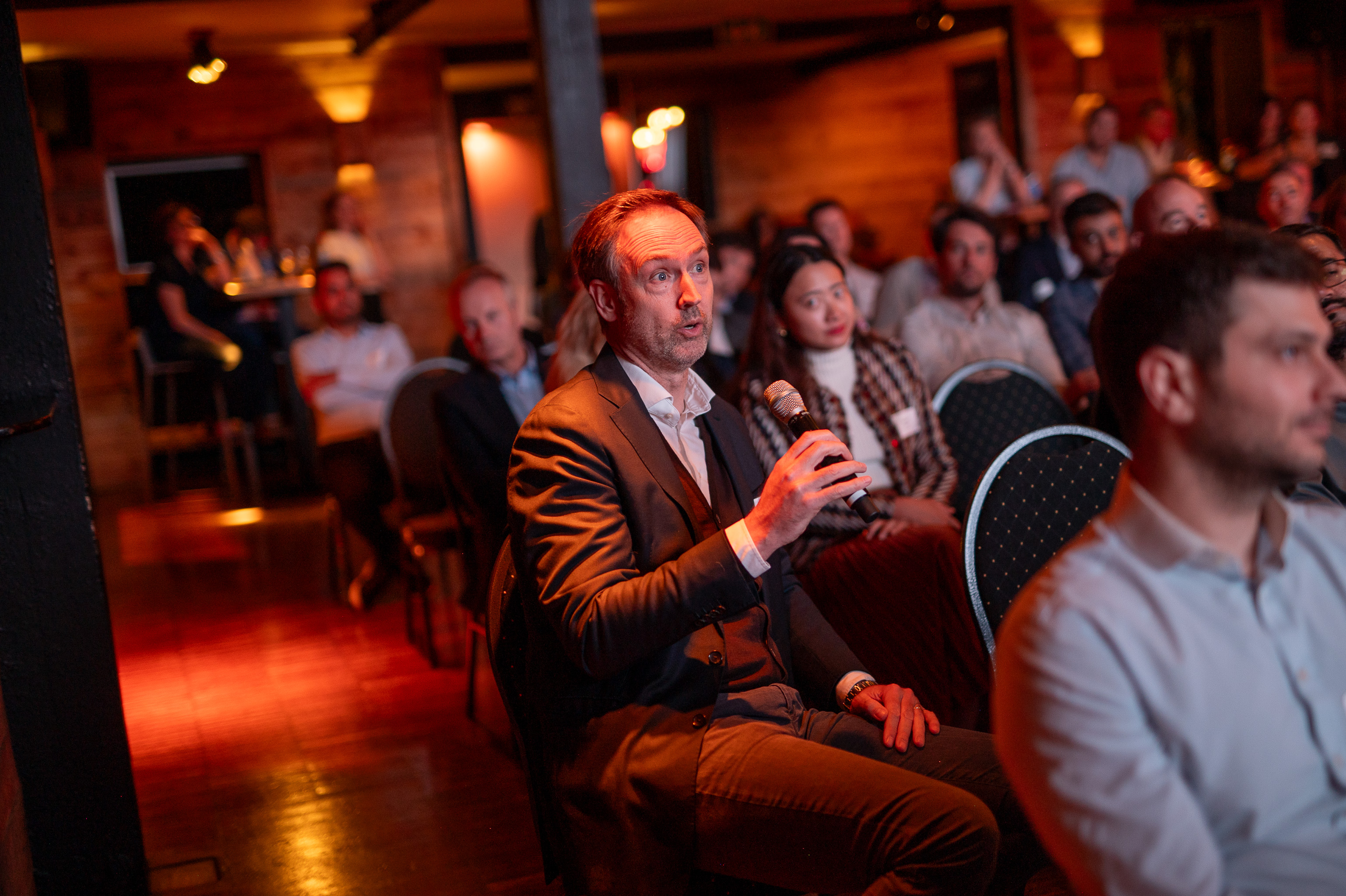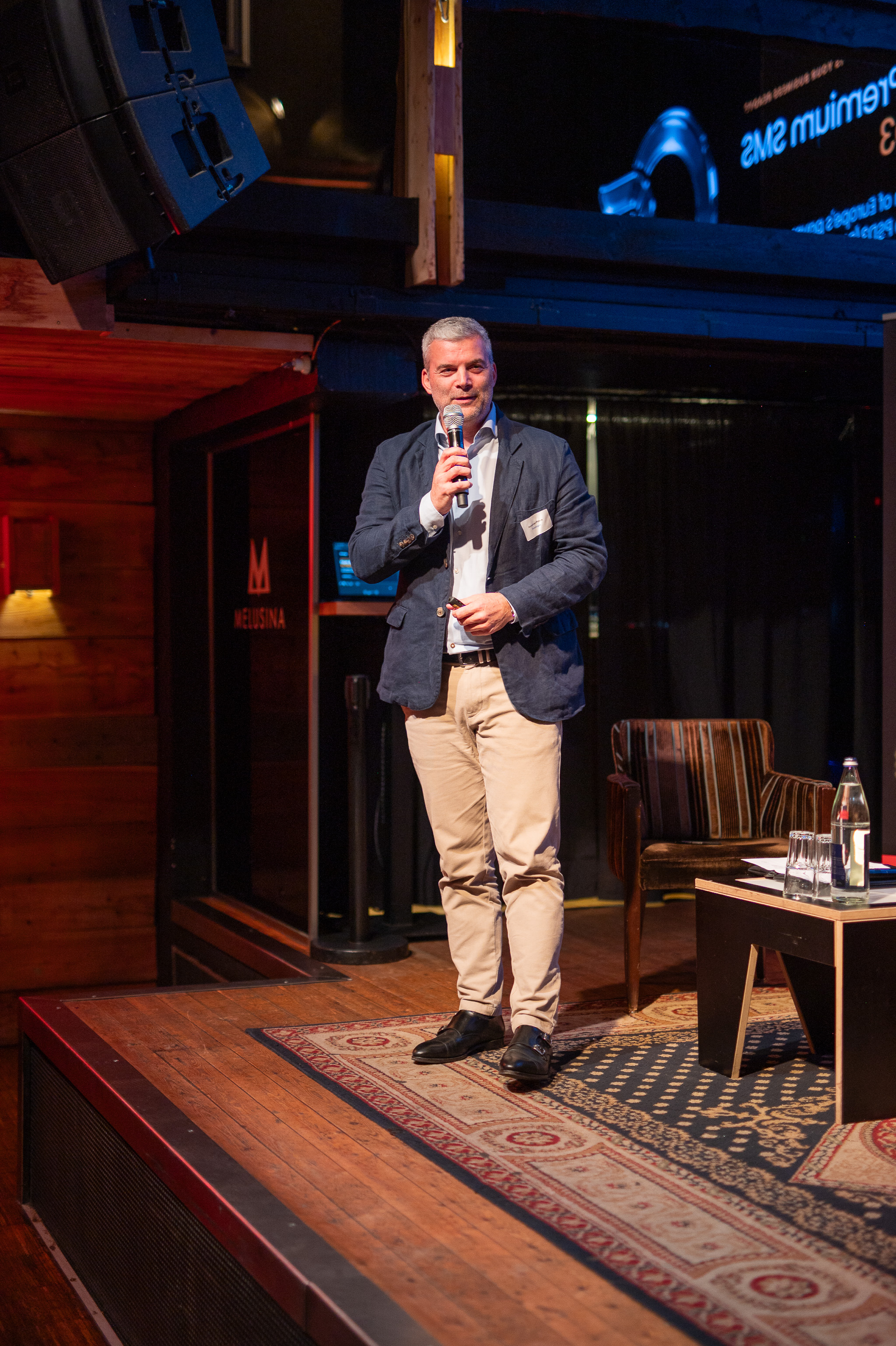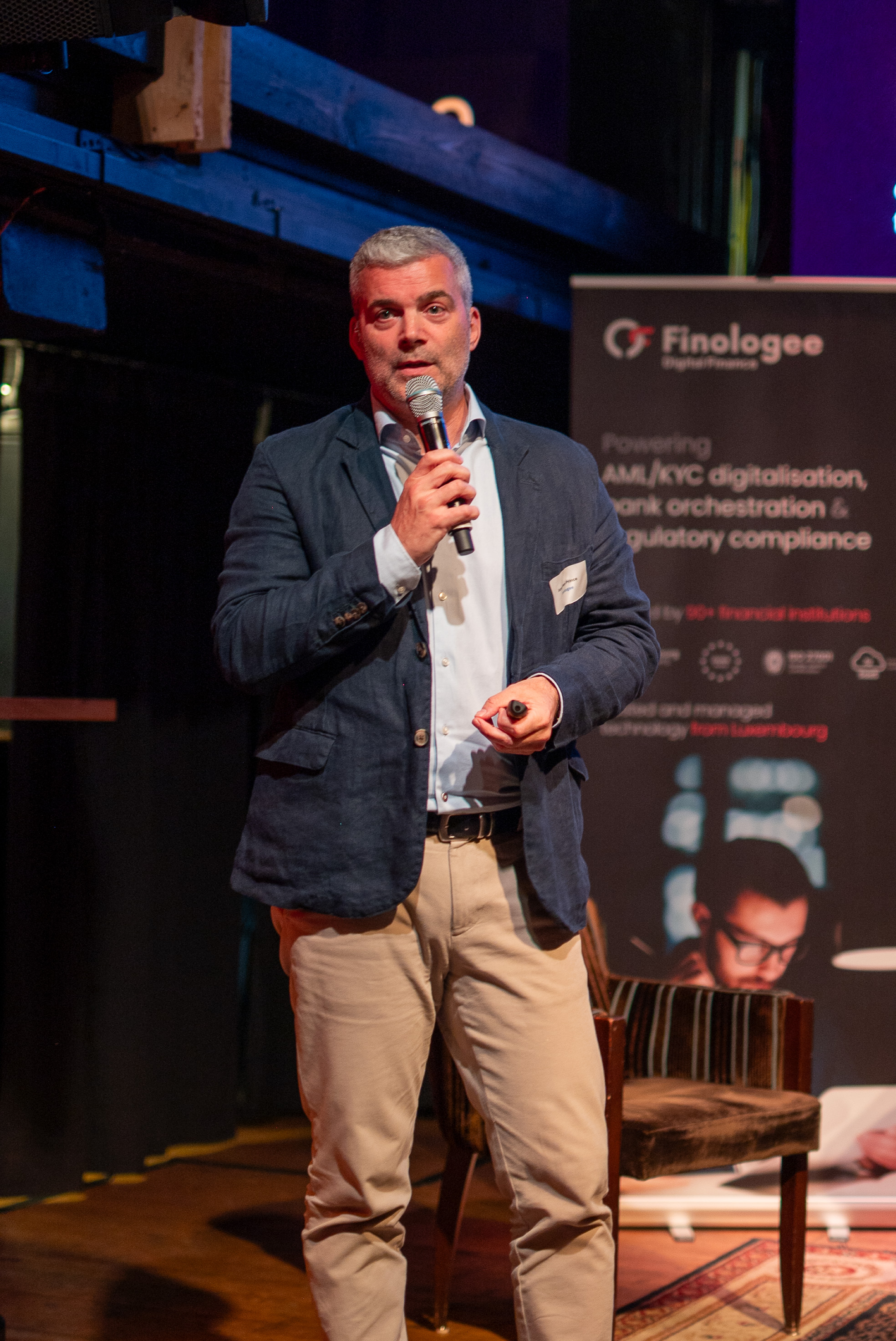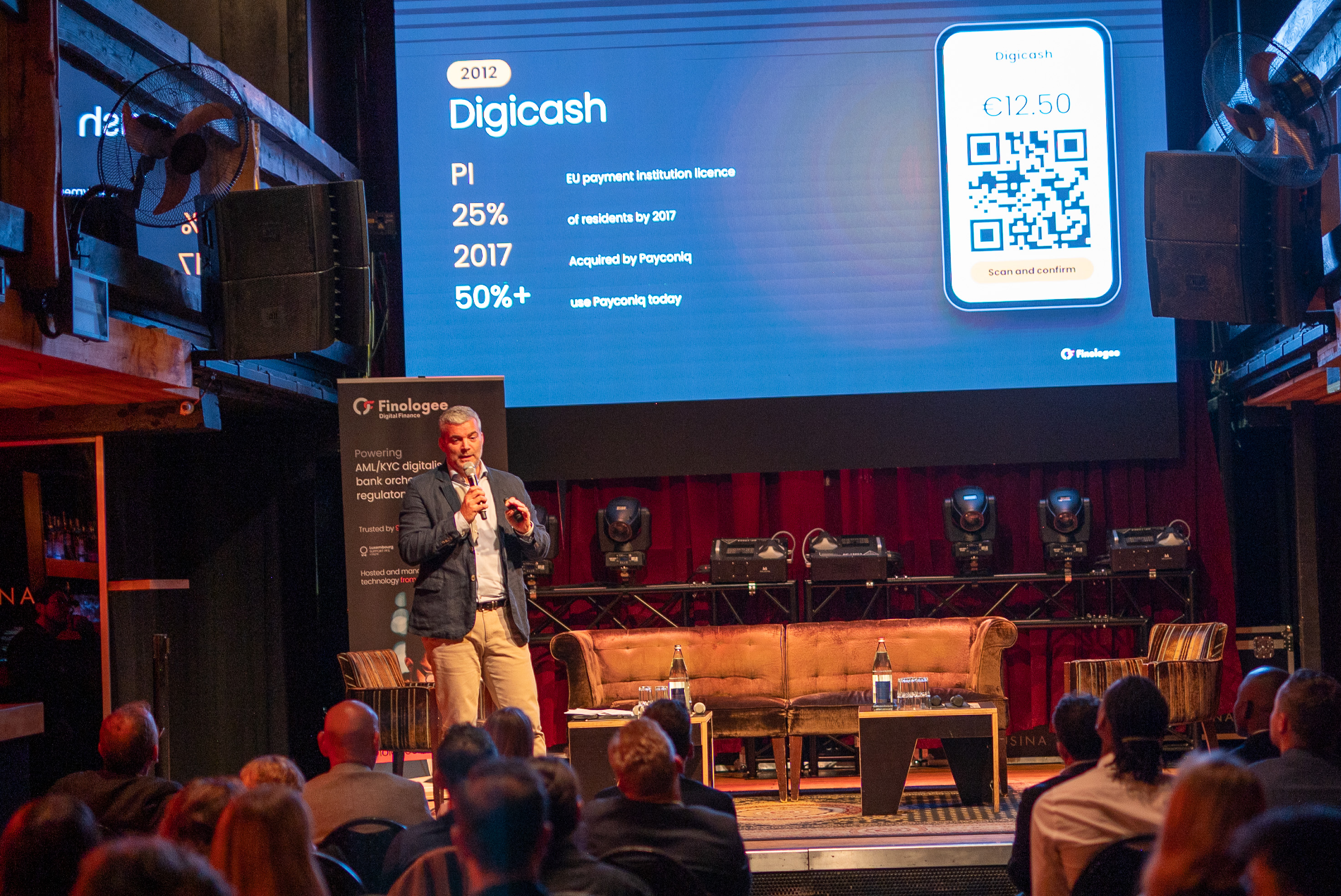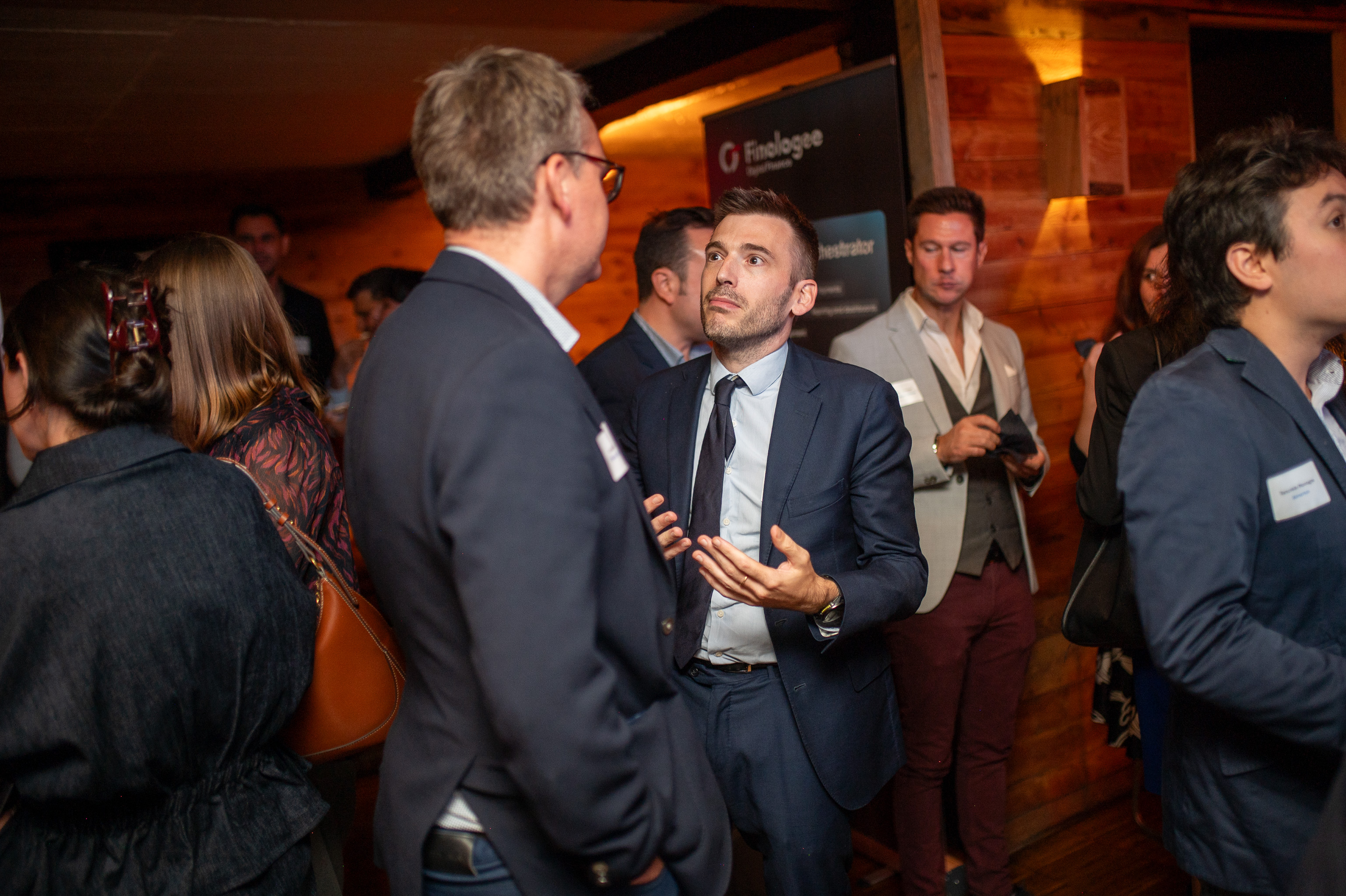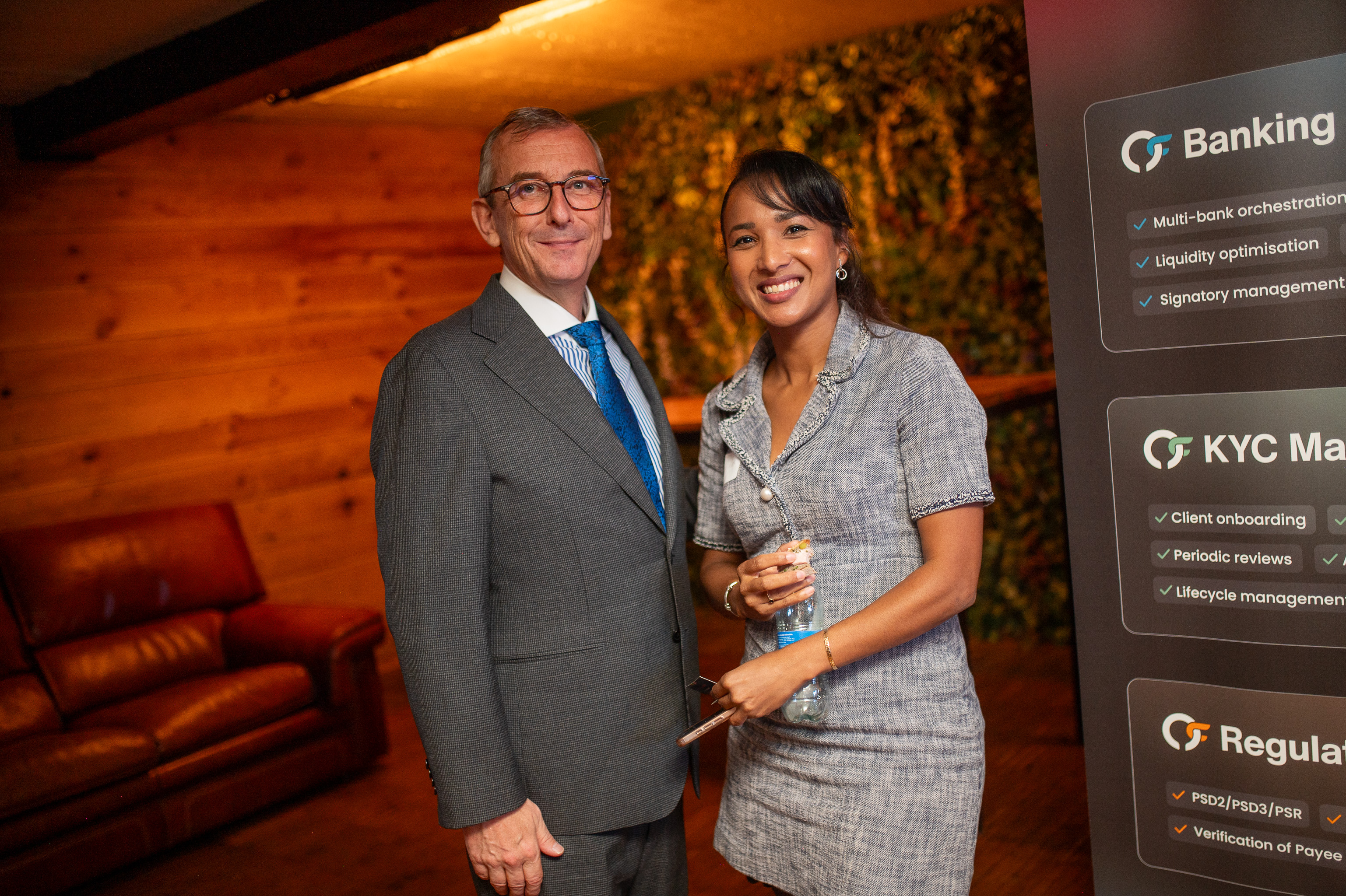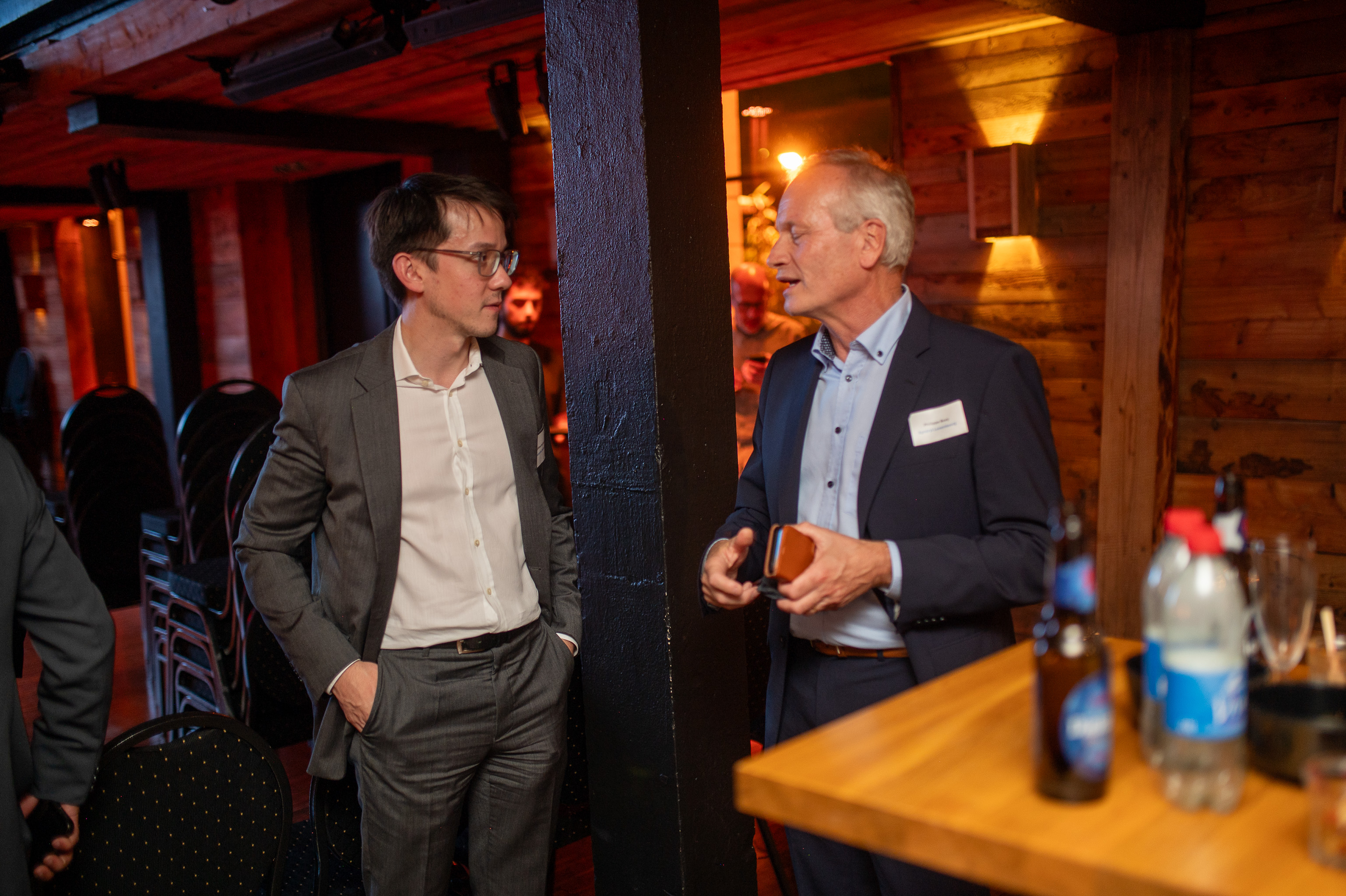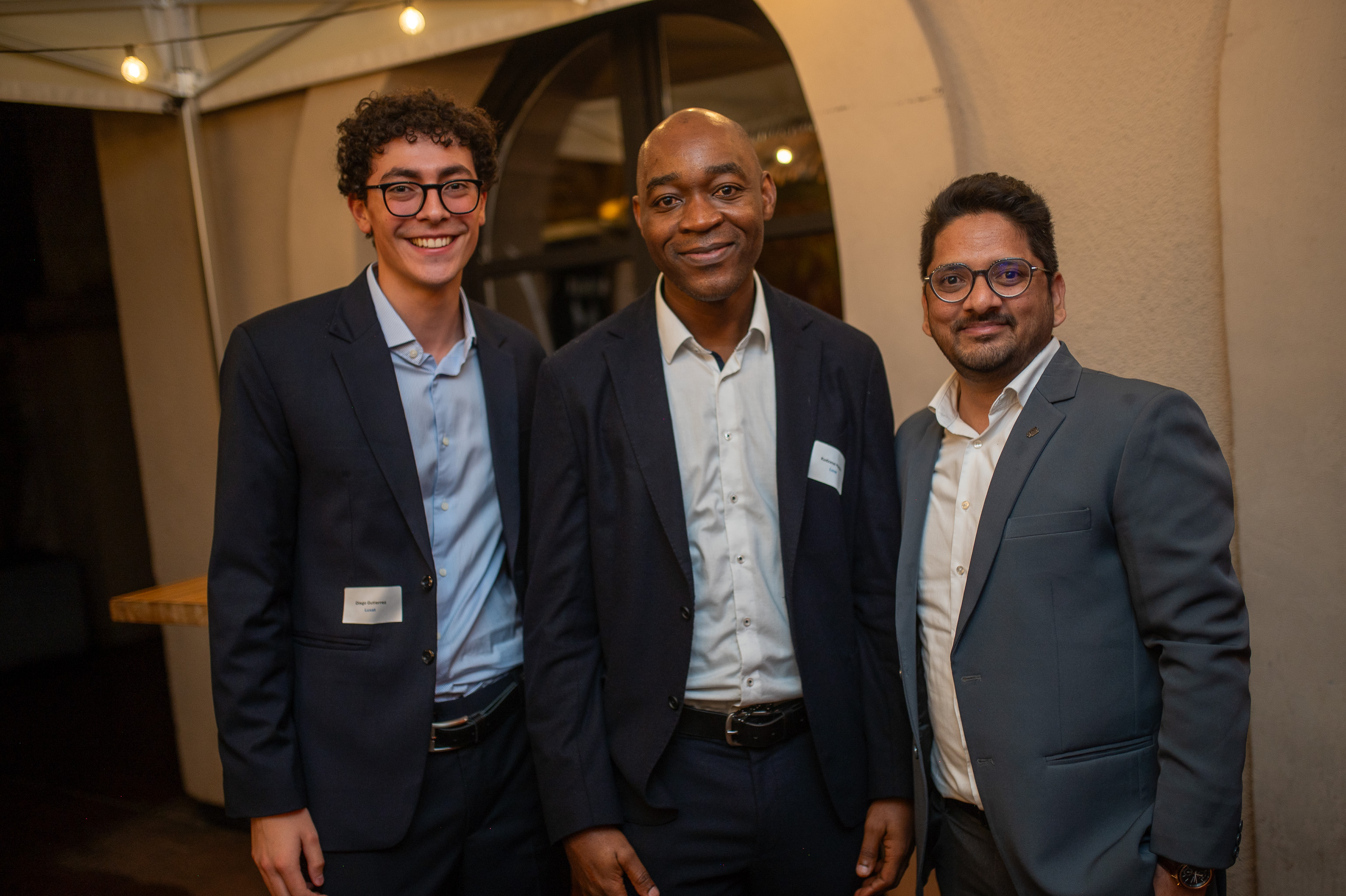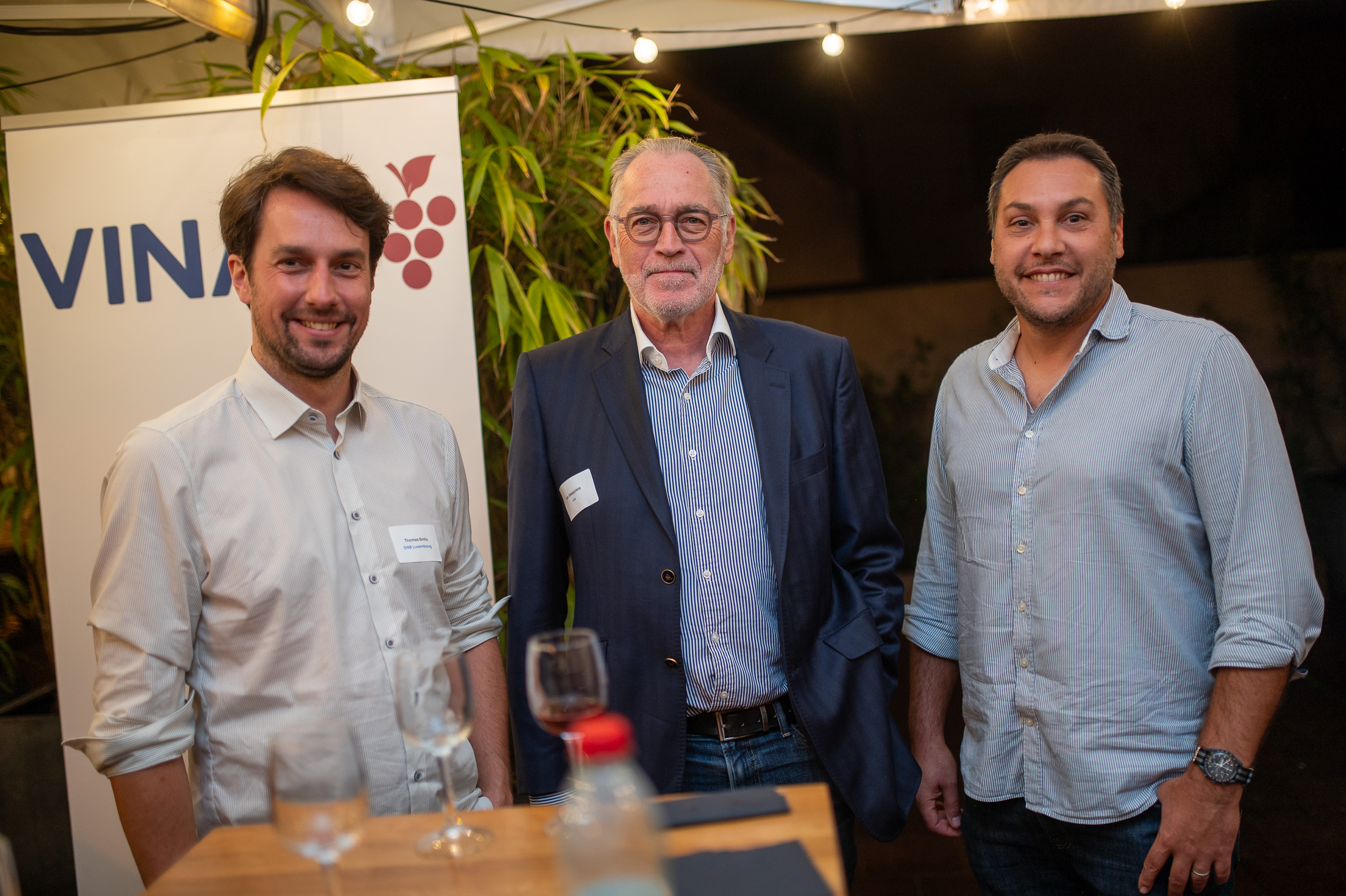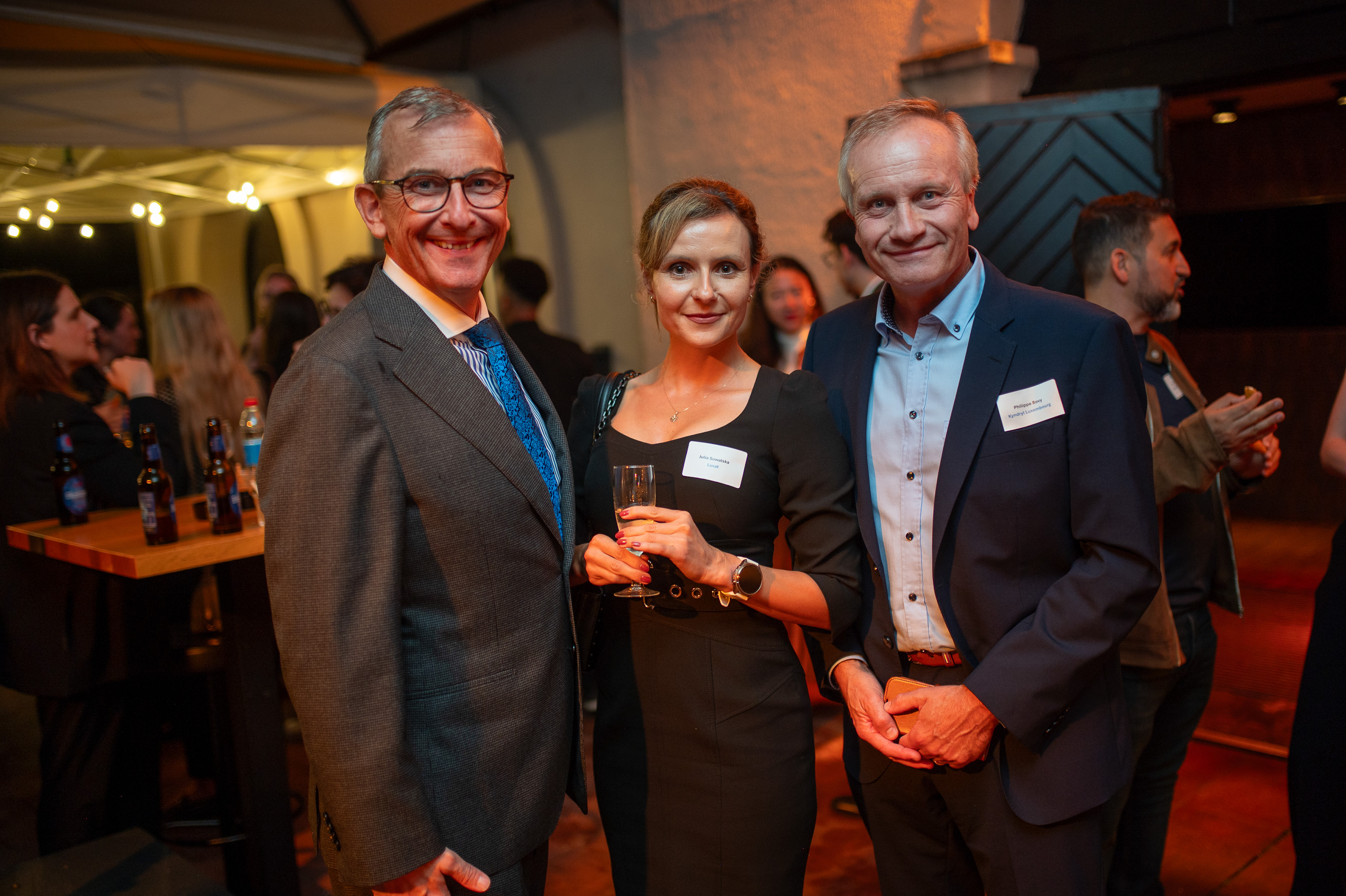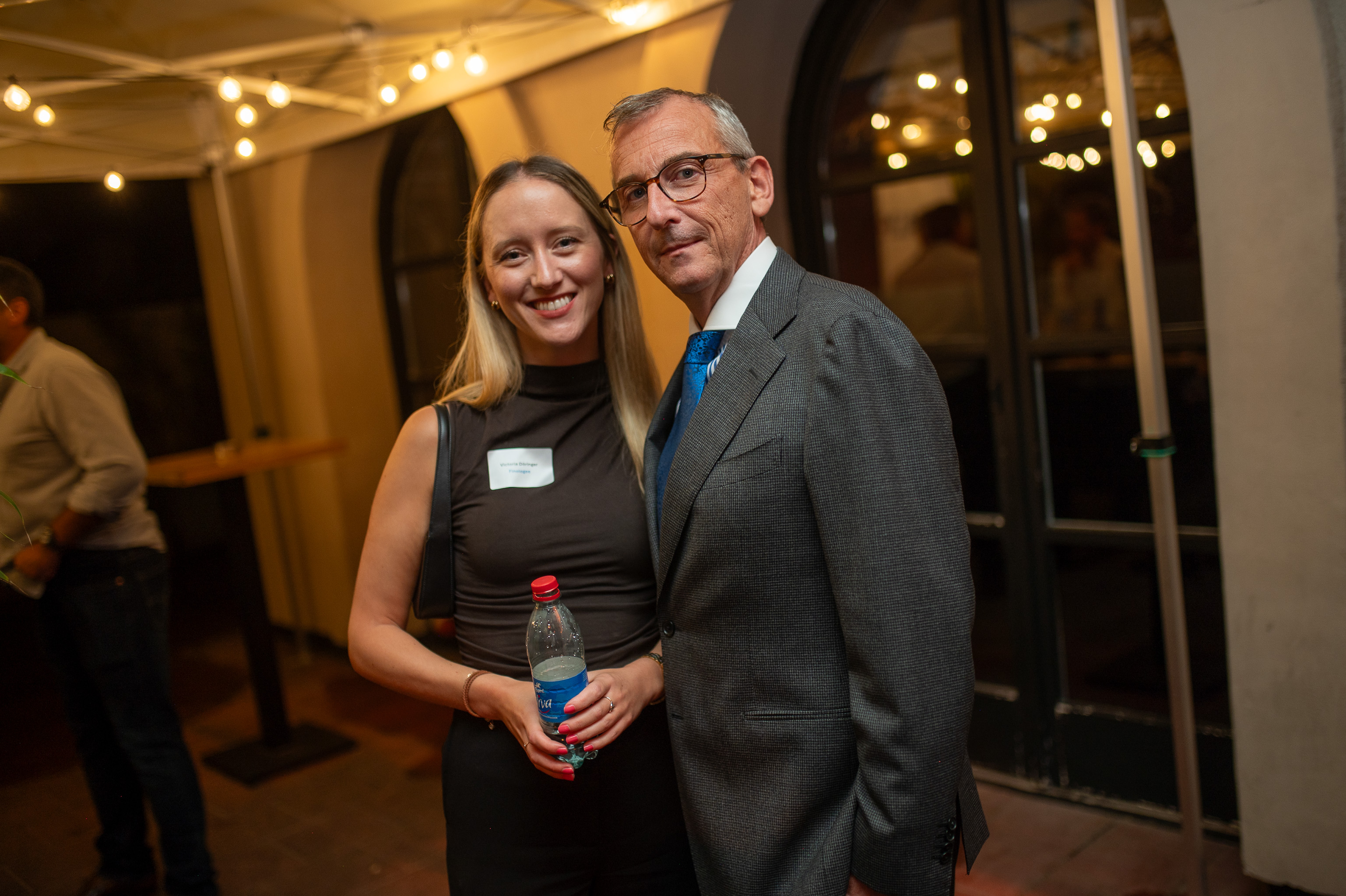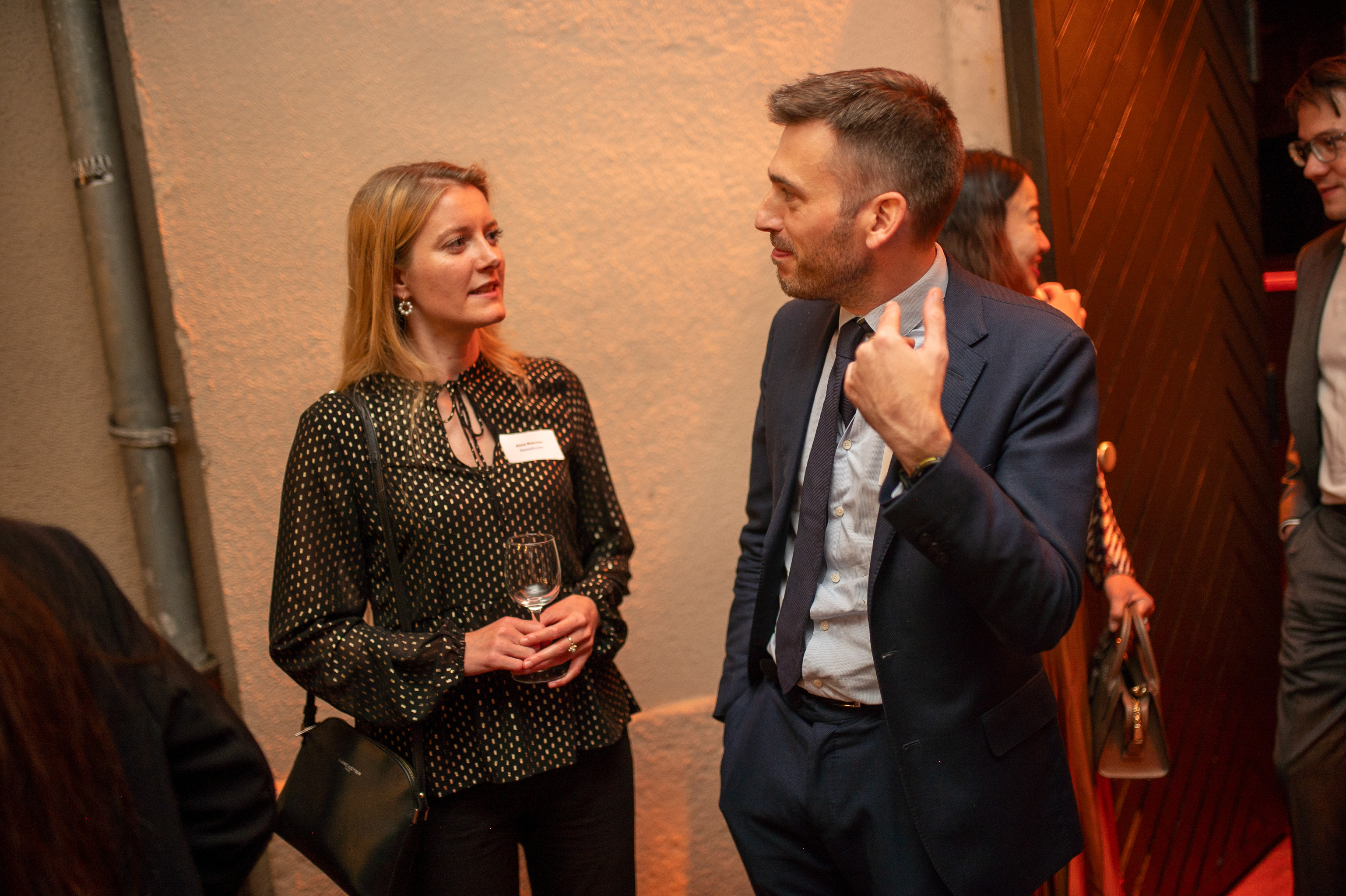



On September 30, 2026, Luxat welcomed experts from across the payments industry, including banking, technology providers, digital platforms and regulators, for our latest Implementing Plan A event: PSD3 – Is Your Business Ready?
Digital payments are often associated with everyday retail transactions, online purchases and contactless payments. However, the payments landscape is much broader, with asset managers and institutional players also processing large volumes of digital payments.
The challenge for policymakers is to create rules that make payments safer and more compliant, while keeping the process simple and convenient for users.
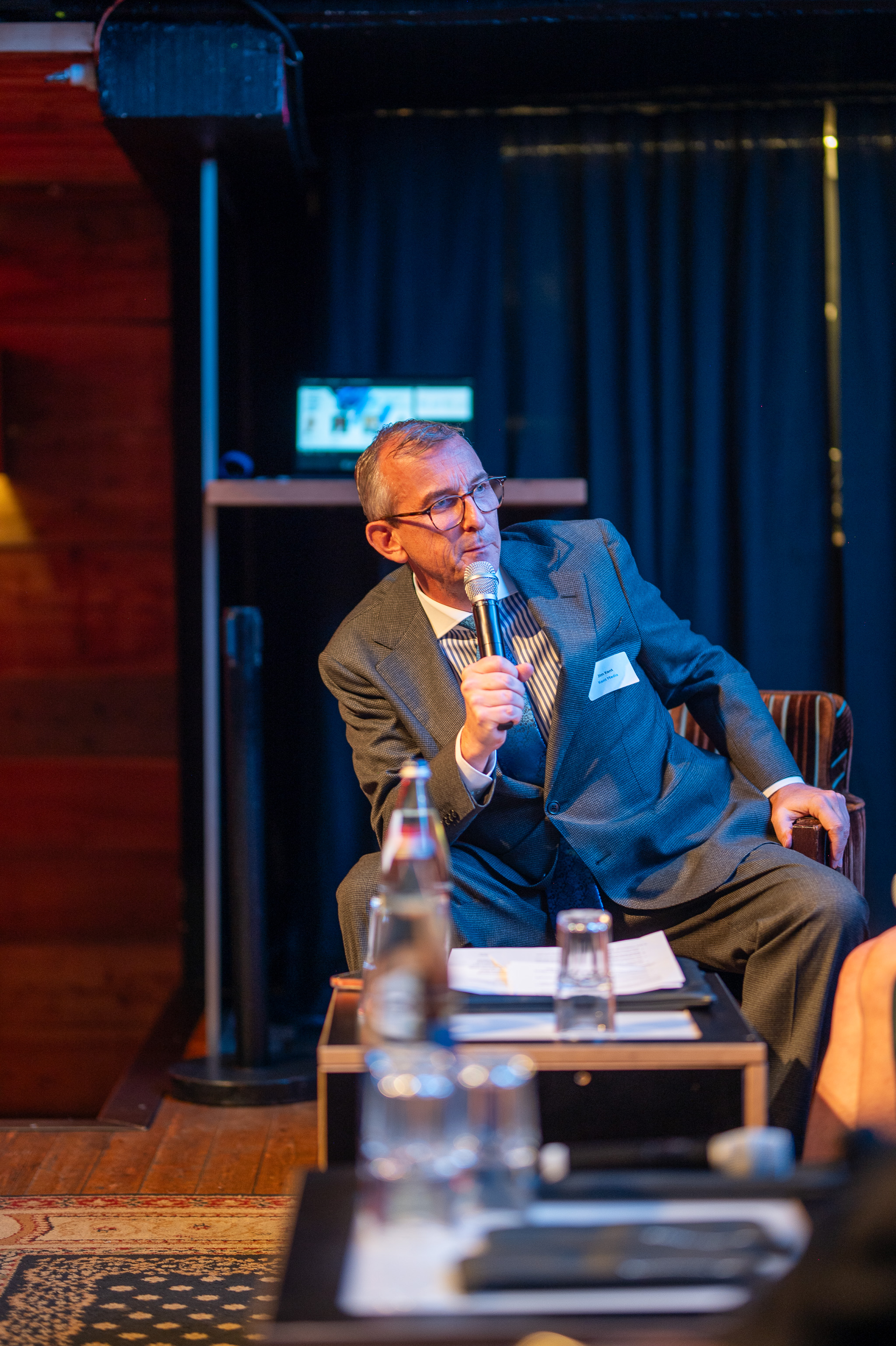
Moderated by Jim Kent, the panel brought together experts from across the sector to discuss the move from PSD2 to PSD3 and what it could mean for businesses and consumers.
Will the change make it easier to make payments across the EU?
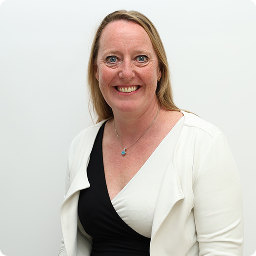
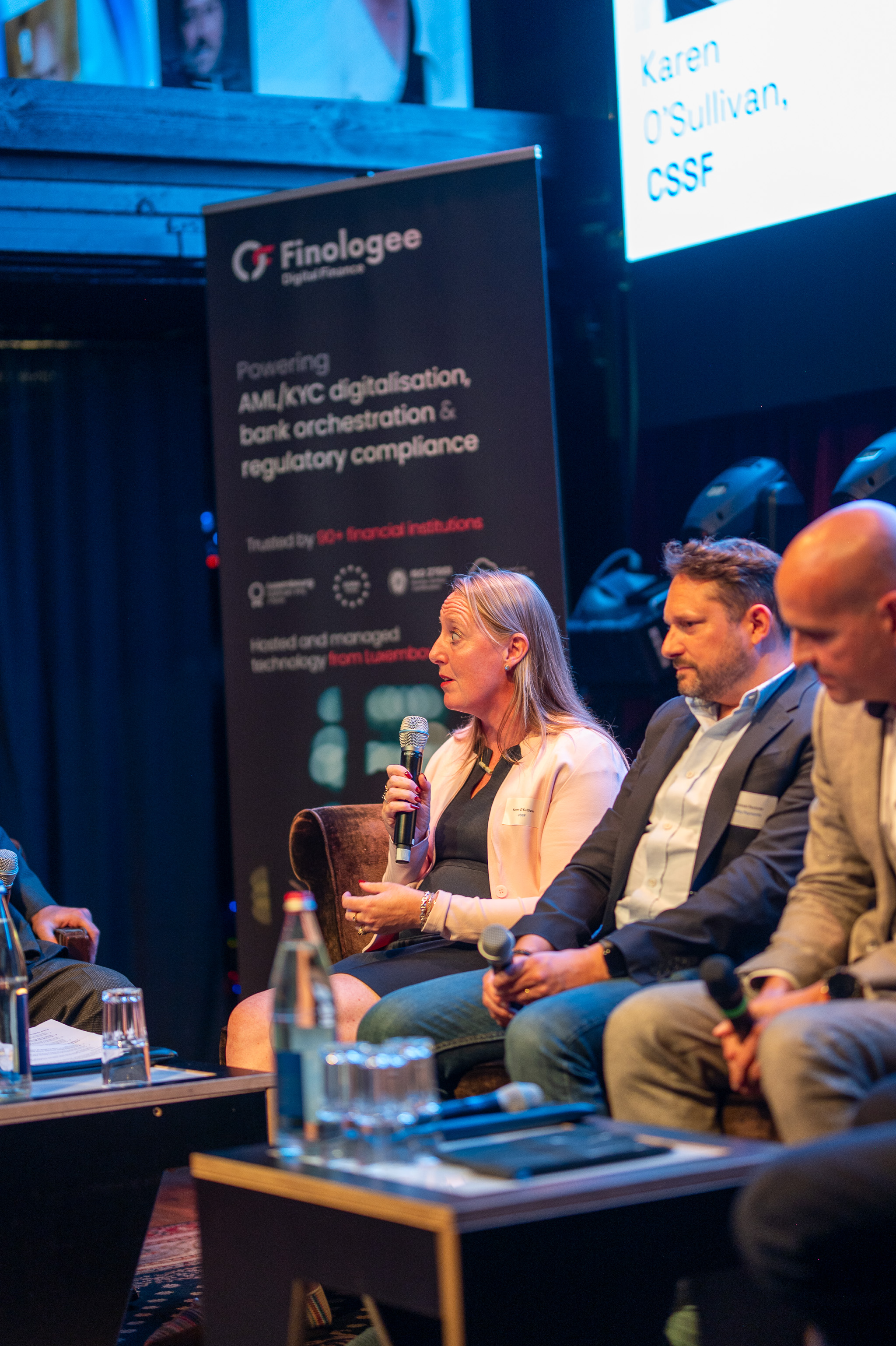
“Although we have not achieved the full European harmonisation on all aspects of payments as envisaged by PSD2, PSD3/PSR is a step forward in creating a framework that can be adopted by all actors in the sector. The fact that there will both a directive and a regulation should also contribute to enhancing this harmonisation going forward”.
Karen O'Sullivan, Head of Innovation and Payment, CSSF.
And what about business users?
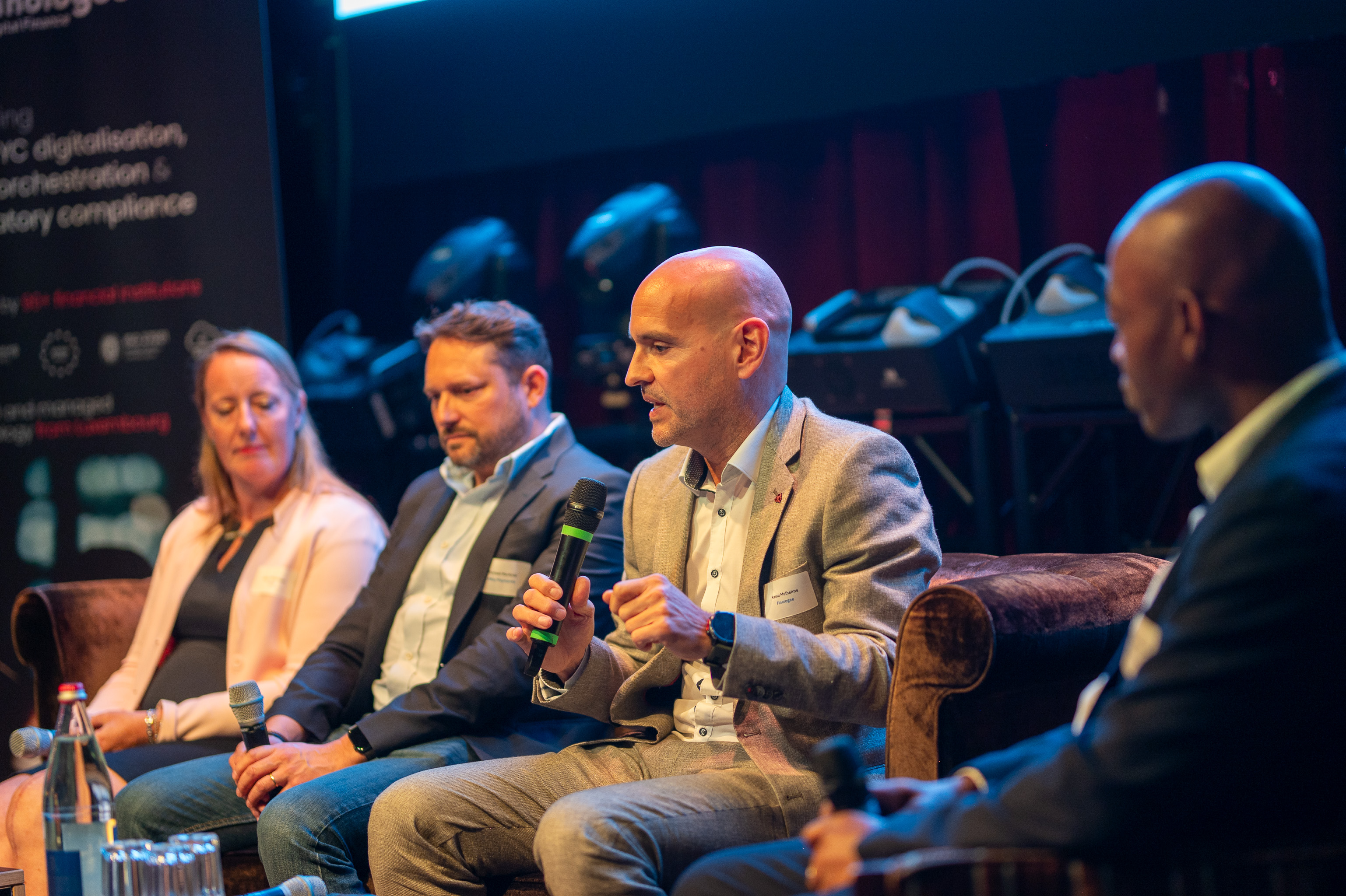
“Most of the rules we discussed were written with a consumer in mind: one person, one phone, one payment. Larger businesses work differently, with several signatories, ERP systems rather than apps, and treasury teams that need systems talking to systems. That case has never really been designed for, which is exactly why it is still open. For me it is the most interesting opportunity in European payments, and nobody has claimed it yet.”
Raoul Mulheims, CEO, Finologee.
But how do we reduce fraud while making payments easy for users?
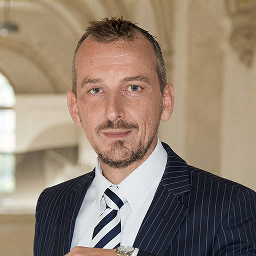
“For eBay the challenge is not simply reducing fraud; it's reducing fraud without making millions of legitimate customers prove that they're not fraudsters. PSD2 showed that SCA works, but it also showed that fraud adapts. So the answer under PSD3 can't simply be more authentication. It has to be smarter authentication, better data and better risk detection. At eBay scale, the ambition is very simple: make security almost invisible to the legitimate customer and very visible to the fraudster. And where something does go wrong, responsibility should sit with the participant that had the ability to control the risk.”
Michael Pechner, MD, EBAY.
What can we learn from the challenges banks faced with PSD2?
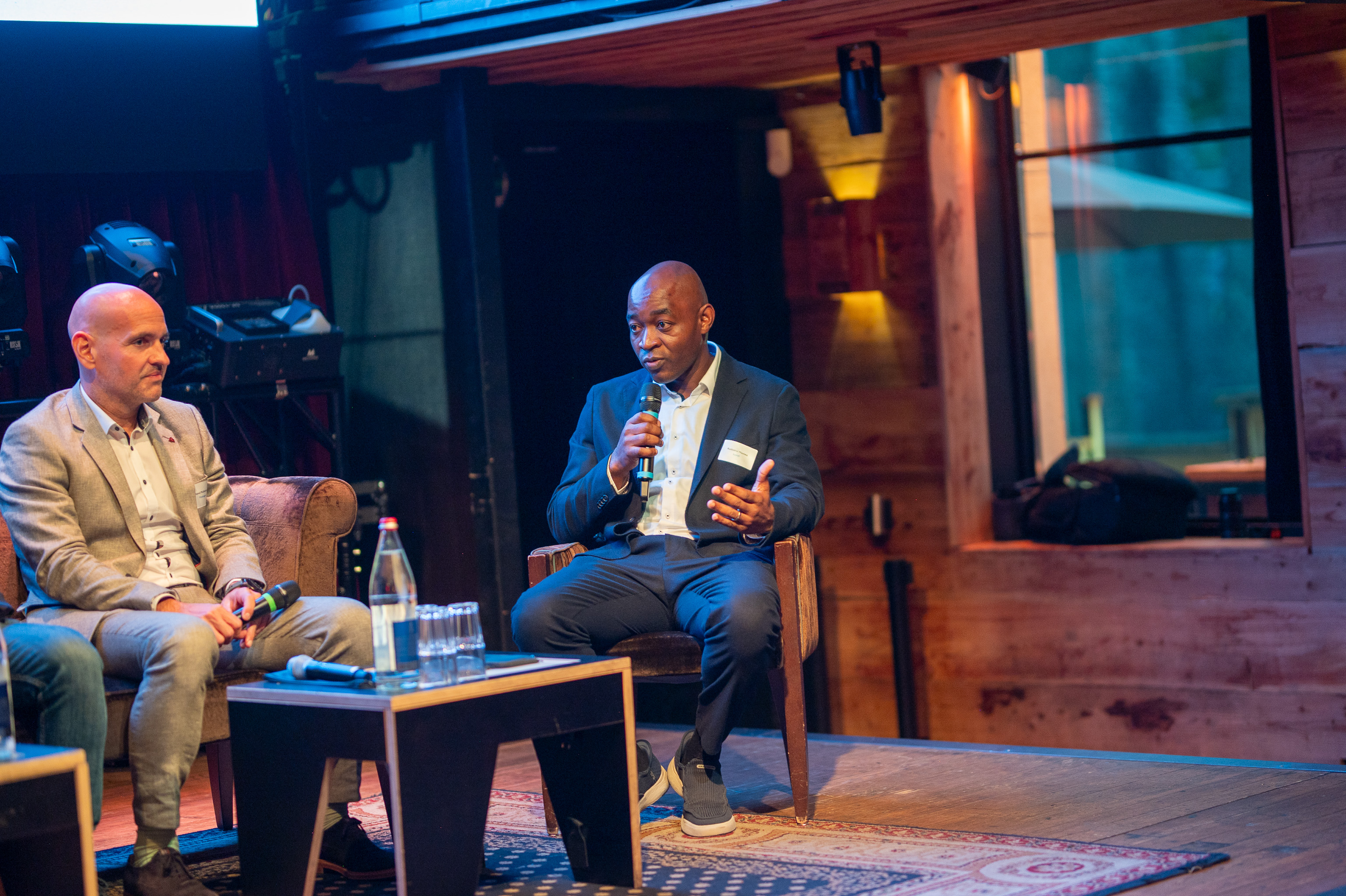
PSD2 prompted a mindset shift where closed core banking systems were expected by regulation to open access to other providers. As lessons learnt Banks need to incorporate a design thinking approach from the perspective of the customer journey which ensure customer ownership to their data in a safe and convenient manner. Implementing for regulatory compliance with quick tactical fixes has created a technical debt which now needs to be paid off with PSD3. However, Banks that build openness into their architecture will not just comply but turn the regulation into a strategic and competitive advantage.
Kudzani Masiwa, Principal Consultant, Luxat.
Luxat would like to thank everyone who joined us and contributed to the discussions throughout the evening.
Special thanks to our sponsors, Finologee and iconnect, for their support in making the event possible.